Documentary Filmmaking Challenges (+ How to Fix Them)
In short: The most common documentary filmmaking challenges are funding, access, unpredictable timelines, too much footage, production setbacks, distribution and burnout. Diversify funding, build trust with subjects, ask for help early, look again at the footage you already have and finish what you start.
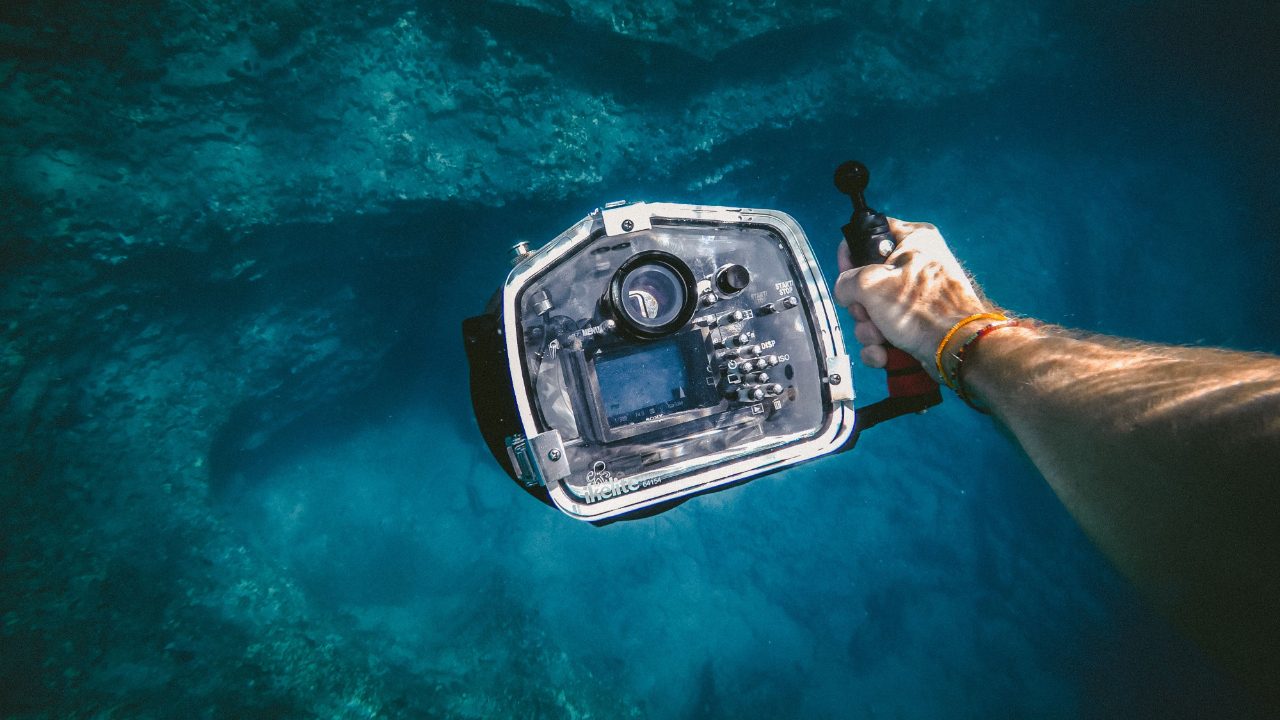
Documentary filmmaking challenges cost filmmakers thousands of dollars, months of wasted time and sometimes the entire project. My freediving documentary, One Breath, nearly became one of those casualties.
I poured all my savings into it and flew to Ibiza with a grand vision. What was supposed to be a week-long shoot turned into two frantic days. I left feeling defeated, and for a long time the footage sat untouched, a reminder of what I saw as my failure.
With time, support and a fresh perspective, I found a way to bring One Breath to life, and it taught me a lot about the art of documentary filmmaking. Here are the most common challenges and the practical strategies I and other filmmakers use to overcome them.
What Are the Challenges of Documentary Filmmaking?
Documentaries are notorious for taking years to produce and frequently running over budget. Unlike fiction, you can't control your subjects, predict events or guarantee the footage you need will materialise. So much of the job is controlling what you can and adapting to everything else.
The most common challenges are:
- Limited funding: securing grants, crowdfunding or private investment takes enormous time and energy.
- Access and permissions: subjects can back out, locations need permits and archive licensing can blow budgets.
- Unpredictable timelines: stories evolve over months or years, and editing can drag on long past deadlines.
- Storytelling overwhelm: turning 100 hours of raw footage into a coherent narrative is hard.
- Production setbacks: equipment failures, weather, cancelled shoots and lost footage are part of the job.
- Distribution and marketing: getting a finished film seen is a separate, equally demanding challenge.
- Burnout: the emotional and physical toll of long projects is real and often underestimated.
The Concept and Inspiration Behind One Breath
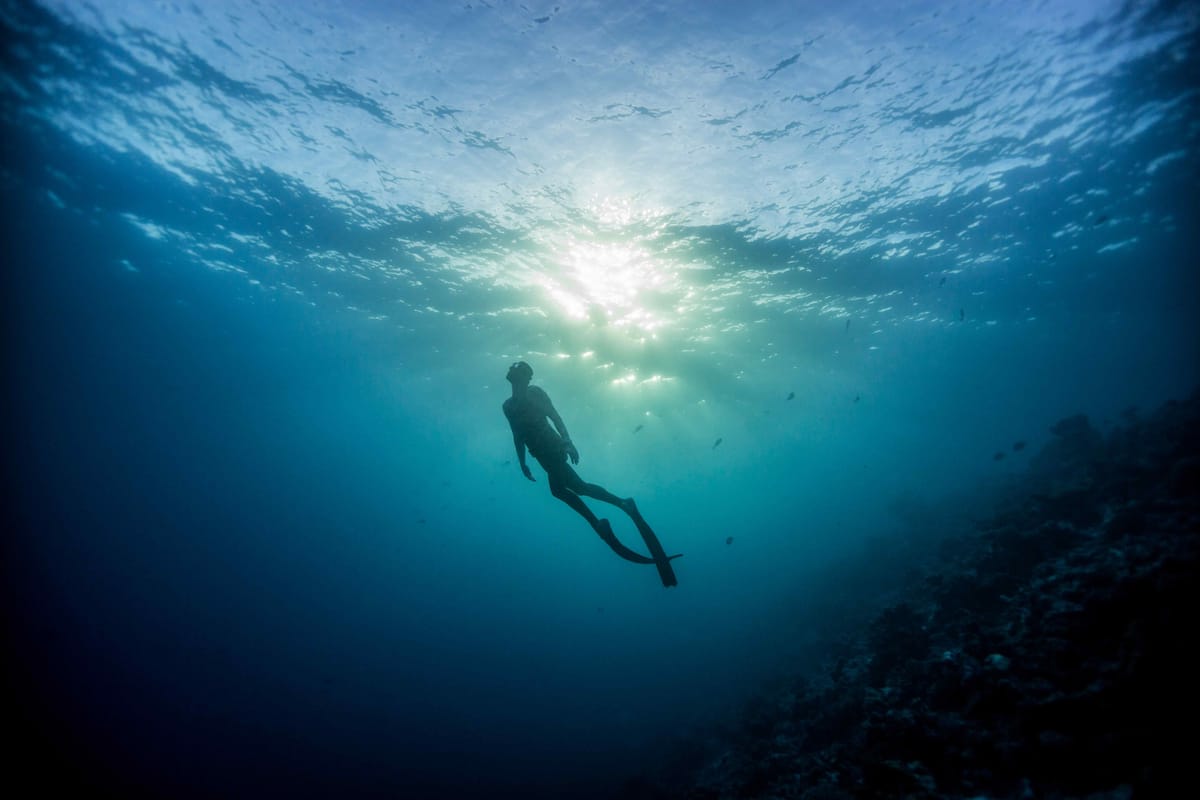
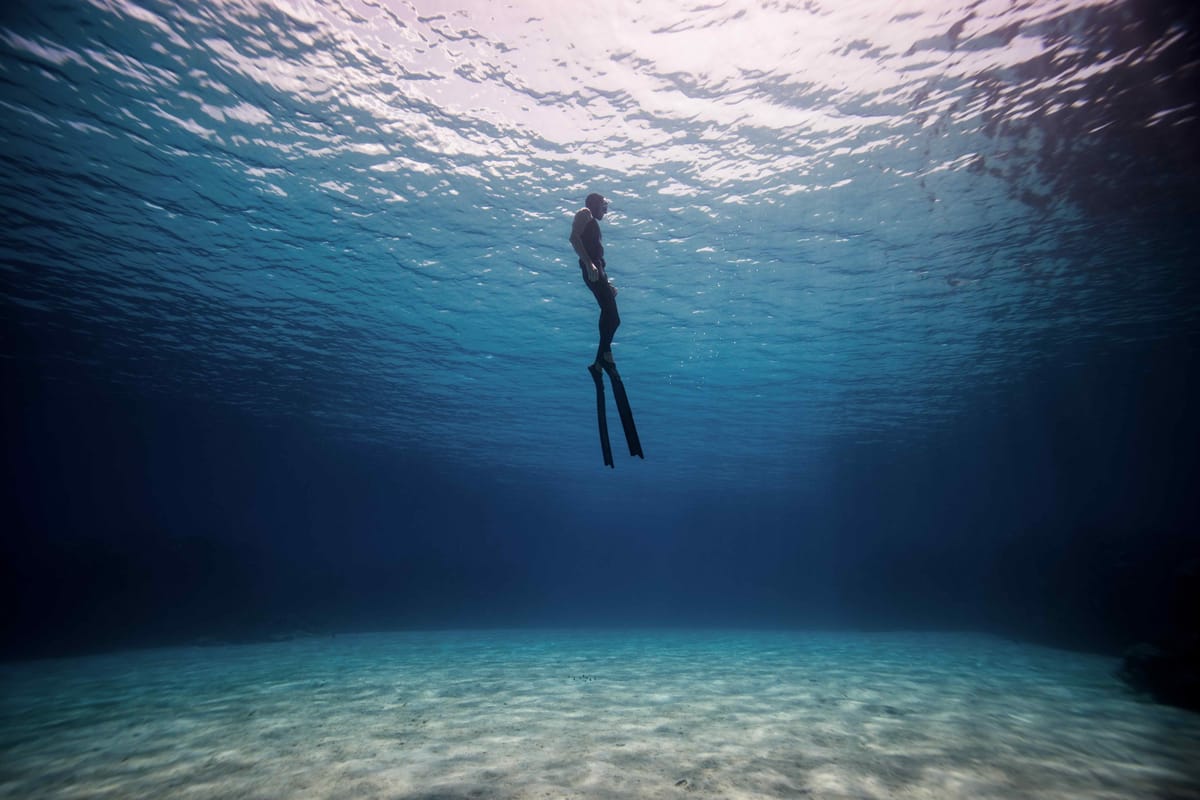
The idea for One Breath came from my love of underdog stories and the deep relationship between humans and nature. After The Eagle Huntress, I wanted something equally powerful in a new environment, and the ocean drew me in. I discovered freedivers Christina and Eusebio on social media, captivated by their bond and their passion for the sea.
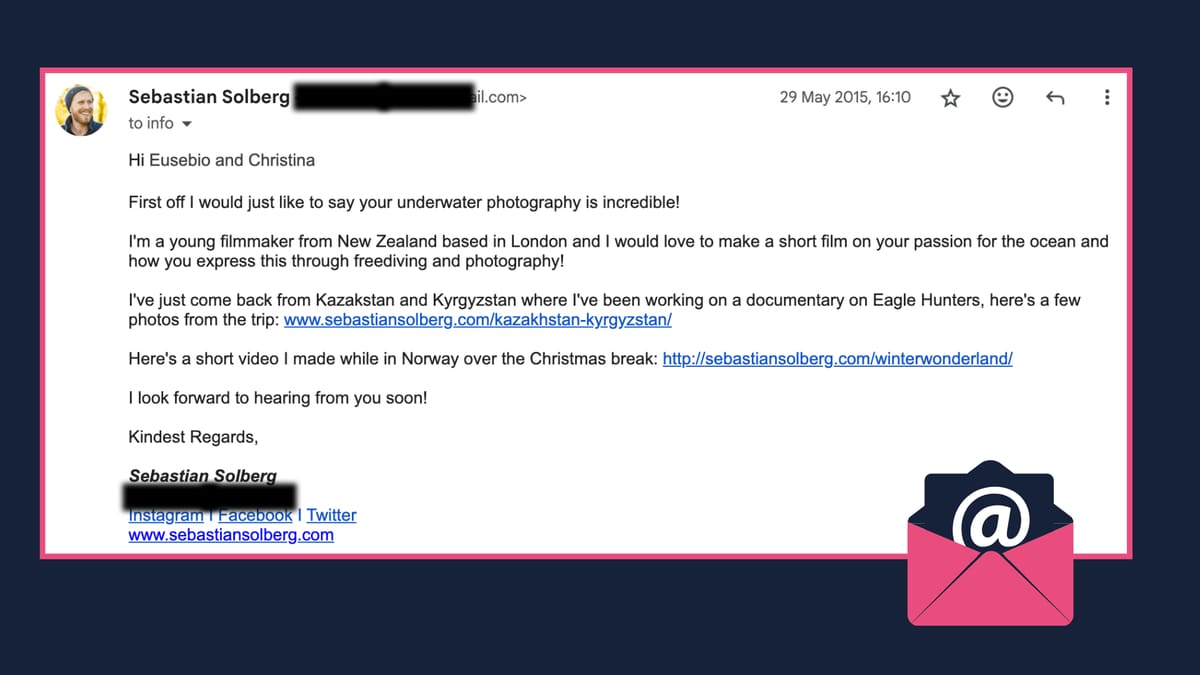
In May 2015 I emailed them, inspired by their underwater photography, and by July I was in Ibiza filming with them.
Challenges in Documentary Filmmaking: When Everything Goes Wrong
From the start, everything seemed to work against us. Money was tight, so I travelled as cheaply as possible: I stayed in a hostel, shared a room with strangers and even slept with my camera gear in bed in case it got stolen.
Then we had to cancel most of the planned filming. When I got home and looked at the footage, I didn't have the story beats I needed, just hours of random clips that seemed to go nowhere. It was like building a puzzle with half the pieces missing.
Eventually I hit rock bottom and realised I couldn't finish the film alone. I called a friend who was an editor, and that decision became the turning point. Filmmaking is about collaboration, leaning on others and admitting when you need support.
Challenge 1: Funding, The Elephant in the Room
Funding is one of the biggest and most consistent challenges. Whether you're chasing grants, pitching investors or running a crowdfunding campaign, it takes enormous time and energy, and the financial pressure can distract from the creative work. I spent all my savings just to get to Ibiza.
My guide to funding your documentary goes into detail, but these approaches work:
- Start small: make a short proof-of-concept to attract funding for the full-length film.
- Diversify: combine grants, crowdfunding (Kickstarter, Seed&Spark) and private investment rather than relying on one source.
- Budget ruthlessly: prioritise essentials like quality audio gear, a skilled editor and key travel, and cut everything else.
- Apply early and often: grant deadlines are fixed and applications take weeks, so start before you're ready to shoot.
Challenge 2: Access, Permissions and Subject Trust
Access is the lifeblood of a documentary. Whether it's securing interviews, getting location permits or licensing archive footage, you'll face constant gatekeeping. Even committed subjects sometimes have second thoughts, especially if the topic is sensitive.
When I contacted Christina and Eusebio, I had no guarantee they'd say yes. The relationship I built over months of emails and calls before I arrived in Ibiza made the difference. The best documentary filmmakers don't just show up with a camera. They spend time earning trust and explaining their vision.
- Invest in the relationship first: spend time with subjects before filming, meet for coffee, go to their events and take a real interest in their lives.
- Be transparent: subjects open up more when they understand what you're making and why.
- Have a Plan B: identify backup interviewees and alternative locations in pre-production.
- Use public domain and Creative Commons: for archive footage and music, these are invaluable on a tight budget.
Overcoming Setbacks in Film Production
What saved One Breath was Christina and Eusebio's personal archive. When they handed me a hard drive of their old videos, I didn't expect much. I thought it was a desperate attempt to patch something together.
But as I combed through it, I found gold. The footage was intimate, raw and powerful, full of moments I could never have captured myself, and it showed their story in a way my two-day shoot never could. Sometimes the best footage isn't what you plan to shoot. It's what you already have, if you're willing to look at it differently.
When setbacks hit, and they will:
- Reframe what you have: review all your footage with fresh eyes before deciding what's missing.
- Ask your subjects for archive material: personal photos, home videos and old footage can be cinematic gold.
- Bring in an editor early: a collaborator can spot story threads you've been too close to see.
- Separate the shoot from the story: the story is built in the edit, so a short shoot doesn't mean a weak film.
Challenge 3: Storytelling Overwhelm, Too Much Footage, Not Enough Story
It's easy to end up with 100 hours of footage for a 90-minute film, and much harder to find the narrative thread running through it. My guide to how to make a documentary covers shaping your story in pre-production. If you're already in the thick of it:
- Find your hypothesis: what is this film really about? A clear angle makes every shooting and editing decision easier.
- Identify the central conflict: even gentle stories need tension, such as hope versus circumstance or aspiration versus reality.
- Use an outline, not a script: a loose outline of the narrative arc keeps you focused.
- Bring in a collaborator: fresh eyes see connections you've become blind to. A structured documentary editing workflow also helps you move from chaos to clarity.
Documentary Filmmaking Techniques That Made One Breath Work
In One Breath I didn't show the characters being interviewed. Their interviews play as voice-over, guiding us while the visuals carry us through their world, which gives the film a dream-like, almost meditative quality, especially underwater.
Going through Christina and Eusebio's archive showed me the power of blending personal moments with cinematic b-roll. It was humbling that footage I hadn't shot was what brought the story to life.
Techniques that worked for One Breath and can work for you:
- Voice-over instead of on-camera interviews: letting subjects narrate off-camera while the visuals tell the story can feel more immersive.
- Blending archive and new footage: intimate personal material adds emotional depth that staged shots often can't match.
- Building around character, not topic: the strongest documentaries are character-driven, as I explain in character vs. topic-driven documentary storytelling.
- Trusting silence and atmosphere: let powerful images breathe rather than filling every moment with narration or music.
Challenge 4: Managing Time and Preventing Burnout
Documentaries don't play by a schedule. Stories evolve, people cancel and edits drag on. Some films follow subjects for years, and even short projects can stretch far beyond their timelines once post-production takes hold. Burnout is a real risk when you're deeply invested.
- Plan in phases: set milestones for pre-production, production, post-production and distribution, with realistic timeframes for each.
- Batch your shoots: capture multiple interviews and b-roll locations in single trips wherever you can.
- Know when to stop tweaking: ask trusted collaborators to tell you when you've moved from improving to stalling.
- Celebrate milestones: a wrapped shoot, a rough cut or a festival acceptance all keep you going through the long haul.
- Ask for help: hiring an editor, sound designer or producer isn't weakness, it's strategy.
Challenge 5: Distribution and Getting Your Film Seen
Finishing a documentary is only half the fight, and getting it in front of an audience catches a lot of first-time filmmakers off guard.
Festival rejection is the norm. Streaming platforms like Netflix, Amazon and MUBI receive thousands of submissions a year. Self-distribution through Vimeo On Demand or your own website gives you control but demands serious marketing.
Start thinking about distribution before you finish the film. Build an audience during production through social media, behind-the-scenes content and email lists, and target festivals that suit your film's subject rather than entering every open call on FilmFreeway. My guide on how to get your documentary distributed has the full breakdown.
Challenge 6: Ethical and Legal Hurdles
Documentary filmmakers work with real people, real emotions and real consequences, which brings ethical responsibilities you won't find in fiction.
Informed consent is the starting point: everyone on camera needs to understand how their footage will be used. It gets complicated when subjects are vulnerable, when stories involve trauma or when people change their minds. I've seen films stall because a key subject withdrew months into the edit.
On the legal side, licensing archive footage, music and photographs can eat through budgets fast, and clearing even a short clip can cost hundreds or thousands. Sort release forms, location permits and rights agreements before you shoot, not after. The International Documentary Association has resources on ethics and legal best practice for independent filmmakers.
Dos and Don'ts for Overcoming Challenges in Documentary Filmmaking
Do:
- Finish your projects. An imperfect, completed film is far more valuable than an abandoned one.
- Ask for help early, from editors, fellow filmmakers, mentors and collaborators.
- Build trust with subjects before you arrive with a camera.
- Look for archive and personal footage from your subjects.
- Have a clear hypothesis before production begins.
Don't:
- Rely on a single source of funding.
- Try to build a story from footage alone. The story comes first.
- Let perfect be the enemy of done.
- Ignore your own wellbeing. Burnout is the silent killer of documentary projects.
- Underestimate post-production. Plan at least as much time for editing as you spent shooting.
Lessons Learned from Making One Breath
The biggest lesson One Breath taught me is to always finish your projects. "Good enough" is better than abandoned. It also taught me the importance of resilience and asking for help, whether that's emotional, creative or technical.
One Breath became a story of perseverance, not just for Christina and Eusebio but for me as a filmmaker. It screened in over 100 cities, and seeing audiences hold their breath during the world record dive scene was incredibly rewarding.
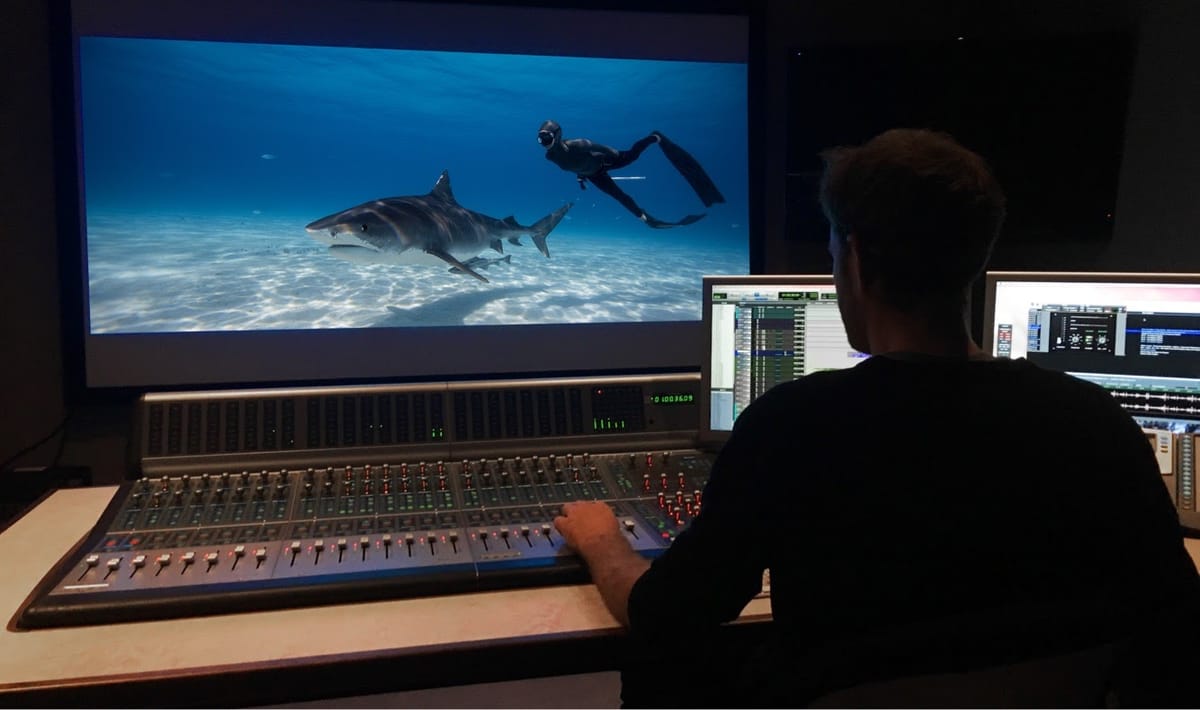
If you're struggling with your own project, keep pushing forward. It might take longer than you expect and it might not be perfect, but finishing has its own magic. Remember why you started: to tell a story, to connect, and to inspire respect for the natural world and our place within it.
If you're just starting out, my posts on what makes a great documentary and documentary filmmaking tips for beginners are good next steps.
What Are Some Challenges Faced by Filmmakers When Creating Social Impact Documentaries?
Social impact documentaries bring extra challenges. You have to protect vulnerable subjects from harm, exploitation or unintended consequences of exposure, balance advocacy with journalistic objectivity, and represent people fairly. My guide to ethical storytelling goes deeper.
Funding often comes from NGO or foundation grants with editorial requirements that can pull against your creative vision. Distribution is more complex too: reaching the audiences who most need to see the film takes partnerships with advocacy organisations, schools and community groups, not just festival submissions.
The difference between filmmakers who finish and those who don't isn't talent. It's persistence, collaboration and a willingness to adapt when things don't go to plan.
Frequently Asked Questions About Challenges in Documentary Filmmaking
What are the challenges of documentary filmmaking?
The main challenges are limited funding, securing access and subject trust, unpredictable timelines, turning large amounts of footage into a coherent story, distribution and marketing, and burnout. Documentaries often take years and frequently run over budget, so resilience and adaptability are essential.
How do you overcome creative blocks in documentary filmmaking?
Step back and bring in a fresh perspective from a trusted collaborator, editor or fellow filmmaker. Review your footage with new eyes, reconnect with your original hypothesis and ask what emotion you want the audience to feel. The answer often lies in footage you've already shot but haven't given proper attention.
What is the hardest part of making a documentary?
For many filmmakers it's the edit: finding the story in a mass of raw footage. Unlike fiction, you can't reshoot scenes that didn't work, so you have to build the narrative from what you have and let go of material you worked hard to capture.
How do you fund a documentary film?
Usually through a mix of grants (from arts councils, foundations and broadcasters), crowdfunding on platforms like Kickstarter or Seed&Spark, private investment, broadcaster pre-sales and your own resources. Diversify rather than relying on one source, and use a short proof-of-concept to attract larger funding.
What are the 5 elements of a good documentary?
A compelling central character or subject, a clear narrative arc with tension and resolution, authentic and intimate access, strong visuals that tell the story without relying on talking heads, and emotional resonance that moves or challenges the audience. The must-watch documentaries for aspiring filmmakers combine all five.
How long does it take to make a documentary?
Short documentaries (under 30 minutes) can take a few months. Feature-length documentaries typically take one to five years from concept to finished film, and complex social impact or investigative films can take longer. Post-production alone (editing, sound design, colour grading and music licensing) typically takes at least as long as production.
What are the 5 C's of filmmaking?
Camera angles, continuity, cutting (editing), close-ups and composition. They apply to documentary just as much as fiction, and getting them right during production saves time in the edit. For practical tips, see what makes a great documentary.
What are the primary concerns of documentary filmmaking?
Truthful representation, subject consent, editorial independence and fair portrayal. Getting the facts right, protecting vulnerable people and resisting pressure from funders or distributors to distort the story are ongoing concerns throughout production.