
Free 42-minute training
10 Secrets to Creating Cinematic Documentaries
I’ll show you how to find your story, film it well and start your edit, with the camera or phone you already have.
- Free to watch
- Made for beginners
- No special kit needed
Where shall I send it?
Join 16,000+ filmmakers who get my weekly tips. It’s free, and you can watch it whenever it suits you.
By clicking 'Get the free training' I accept and consent to receive email updates and tips from Documentary Film Academy.
What’s inside
What you’ll learn in 42 minutes
Ten lessons, in the order you’ll need them when you make your film. Open any lesson to see what’s in it.
A five-step way to find a story worth telling, and to check it before you start.
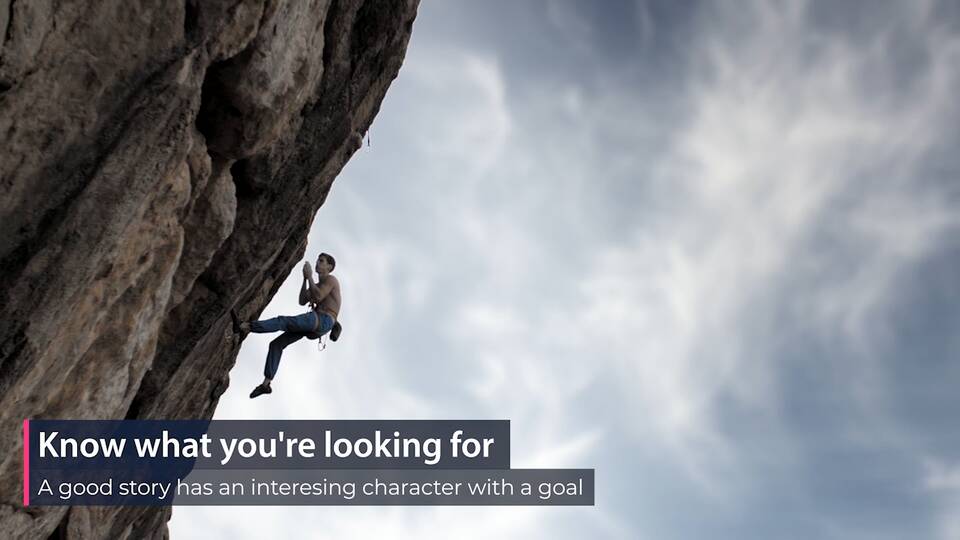
- What makes a good story: a character, a goal and something in the way
- How to work out why you want to make this film
- Where to look for ideas, and how to research them
How the three-act structure keeps people watching.
- What belongs in act one, two and three
- How I used it in my film One Breath, a documentary about a husband-and-wife freediving team
- A simple trick if you get stuck: work backwards from the ending
Frame rate, white balance and exposure, explained simply.
- Frame rate, aspect ratio and white balance
- The four things that control exposure: aperture, shutter speed, ISO and ND filters
- What each one does to the look of your shot
The four rules of composition I use when I film.
- The rule of thirds
- Filling the frame
- Leading lines, and framing your subject within the shot
Five ways to make sunlight work for you, with no lights to set up.
- How the time of day and the weather change your light
- Softening and bouncing sunlight with things you already own
- Why I often film towards the sun
When to film in real time, slow motion or timelapse.
- Real time, at 24 or 25 frames per second
- Slow motion and super slow motion, and when they help
- Timelapse, for showing time passing
How to prepare your questions and put people at ease.
- Writing questions about what your subject wants and what’s in their way
- Building trust before the camera comes out
- Where to sit your subject, and how to make it feel like a conversation
The five-shot rule, so you always know what to film next.
- The five shots: hands, face, wide, over the shoulder and one unusual angle
- How to cut them together into a scene
- When it’s fine to ask someone to do something again
Simple ways to get clean sound on location.
- Why your camera’s built-in microphone isn’t enough
- Where to put the microphone
- Recording levels, background sound and wind
My ten-step editing workflow, from raw footage to finished film.
- Getting your footage organised and transcribed
- From paper edit to rough cut to fine cut
- Sound design, colour and exporting your film
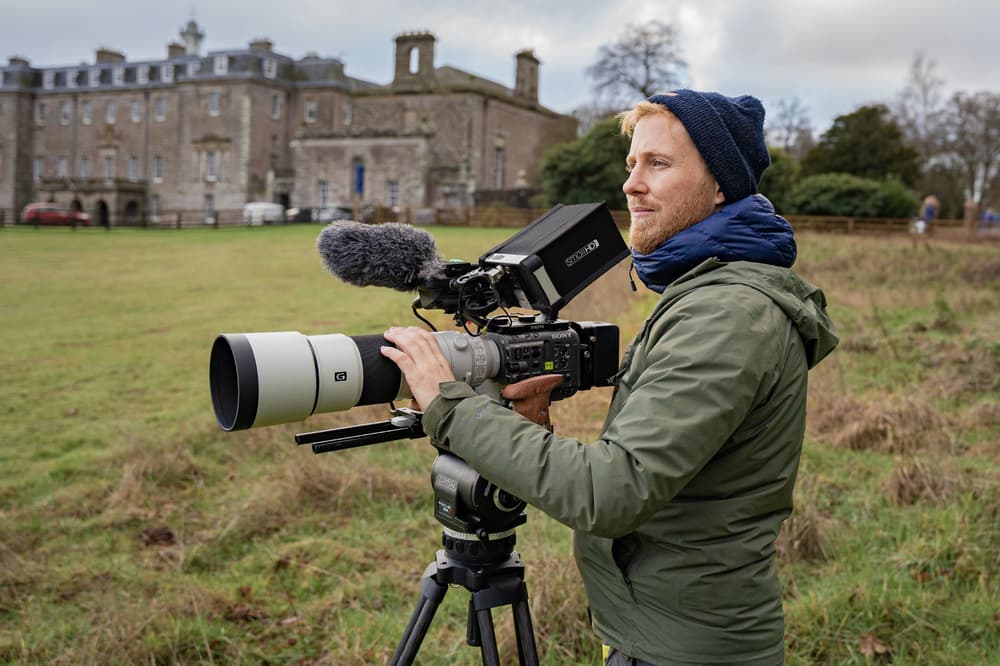
Your instructor
Hi, I’m Sebastian.
I’ve worked in film and TV for nearly 20 years. I directed One Breath, a documentary about a husband-and-wife freediving team, and I was second unit director on the BAFTA-nominated The Eagle Huntress.
I’ve filmed mountain gorillas in Rwanda and wild elephants in Tanzania, and worked with brands like Canon and Red Bull.
When I started out, my footage was poorly lit, out of focus and pretty boring. This training covers the ten things that changed that.
My work has been seen on




Where it can lead
From this training to a finished film
I truly believe this wouldn’t have happened without you.
 Tamara WeberNurse and first-time filmmaker
Tamara’s path
- Had never made a film, just hours of interviews and a story that wouldn’t let go.
- Found Documentary Film Academy online and watched this free training.
- Booked a call, then worked with Sebastian one to one for 34 weeks.
- Finished her 14-minute documentary, about her mother and her mother’s friends, who pioneered nursing in their state in America, and premiered it to 82 guests in a theatre she rented.
This training is very engaging and motivating. It simplifies the filmmaking process and empowers you to start making your film.
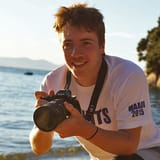 Henry DonaldFilm graduate, watched the training
Questions about the training
Who is the training for?
It’s made for beginners, and you don’t need to have made a film before. If you already have some experience, you’ll still pick up techniques for your next film.
How long is it?
42 minutes. I’ll email you the link, so you can watch it when it suits you.
Does it cost anything?
No, it’s free. There’s a link under the video if you’d like to find out about my courses, but there’s no obligation.
Do I need any kit or software?
No. To watch, you just need a phone or a computer. When you start filming, any camera will do, from your phone to a borrowed mirrorless camera. A clear story matters more than expensive kit.
What happens after I sign up?
You’ll get an email asking you to confirm your address. Click the link in it and I’ll send you the training. You’ll also get my emails with filmmaking tips, and you can unsubscribe at any time.
Free 42-minute training
Ready to start your documentary?
It’s free, and you can use what you learn on your first shoot.
