What Makes a Good Documentary? 7 Key Elements
In short: A good documentary combines seven key elements: an emotionally resonant story, relatable and complex characters, tension and structure, the right documentary style, intimate access, cinematic visuals and a bigger theme. It is never one thing, but how they all work together.
I've spent over 15 years making documentaries, and every film I work on makes me ask this question again. The answer is always a mix of elements working together.
Here are the seven that separate forgettable documentaries from unforgettable ones, each with examples from real films.
1. A Story With Emotional Resonance
A good documentary needs more than an interesting topic. It needs a story that moves people. Whether the subject is climate change, social justice or personal achievement, the impact comes from the emotional arc.
A topic connects the film to the world. A story connects it to the audience, taking viewers through highs and lows, struggles and transformations.
Think of Hoop Dreams (1994). It is not just about basketball. It is about the dreams, challenges and obstacles faced by two young athletes from Chicago.

2. Relatable, Complex Characters
Characters are the heart of a good documentary. Whether they're activists, ordinary people or public figures, they need depth and authenticity. A well-rounded character grows, faces challenges and changes, which keeps the viewer invested.
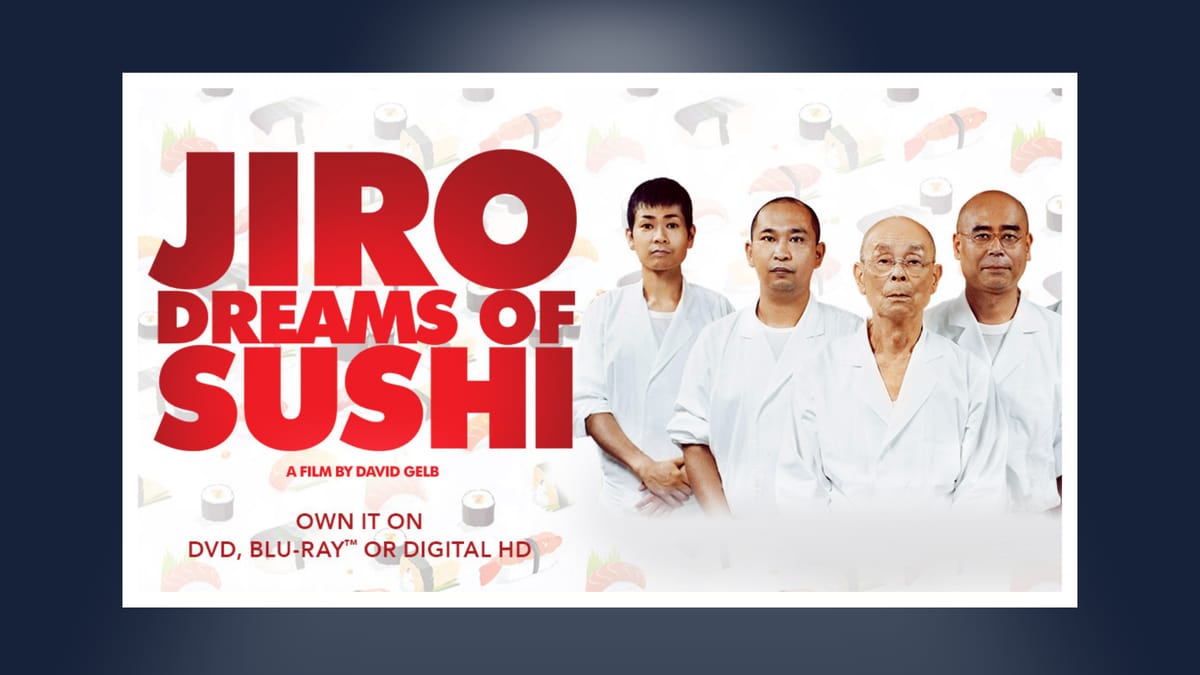
Jiro Dreams of Sushi (2011) works because it goes beyond the surface. Jiro Ono's dedication and philosophy connect with audiences personally, and his story says something about ambition, perfection and the human experience.
To understand the difference between building a film around a person or an idea, read my post on character-driven vs topic-driven documentary filmmaking.
3. Tension and Structure
Presenting footage or facts isn't enough. The pacing and structure should hold tension throughout, revealing information slowly and building anticipation.
A common mistake is front-loading all the interesting material. If you give everything away in the first 20 minutes, the audience has no reason to stay. Leave some questions unanswered and let the viewer earn the answer.
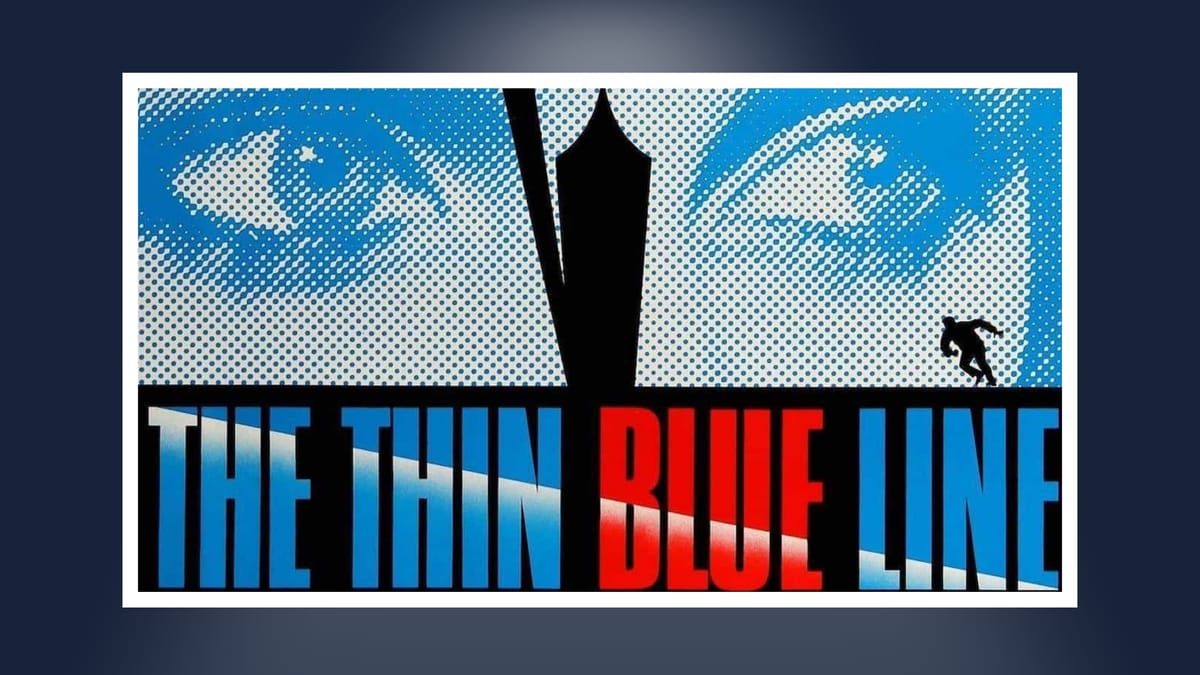
The Thin Blue Line (1988), directed by Errol Morris, gradually unpacks new evidence in a wrongful conviction case. Each interview adds a new piece to the puzzle, right up to the final moments.
For more on pacing, see my guide on how to build suspense in a documentary.
4. The Right Documentary Style
Your narration style shapes how you shoot, edit and structure the film, and how viewers connect with the story. There are four main options:
- Interview-led: Interviews form the core, often with b-roll. It gives insight into characters' thoughts and feelings, but can feel flat if speakers are unexpressive.
- Narrator-led: A narrator explains the story and adds context. It gives you more control, but heavy narration can overwhelm the visuals.
- Presenter-led: A presenter guides the audience. It creates a strong focal point, but can distract from the main story.
- Observational: Often called "fly-on-the-wall", it captures events as they happen without narration. It feels objective, but compelling footage is harder to get.
These overlap with the six documentary modes defined by film theorist Bill Nichols: poetic, expository, observational, participatory, reflexive and performative. Few filmmakers stick rigidly to one, but knowing where your film sits helps you make consistent creative decisions.
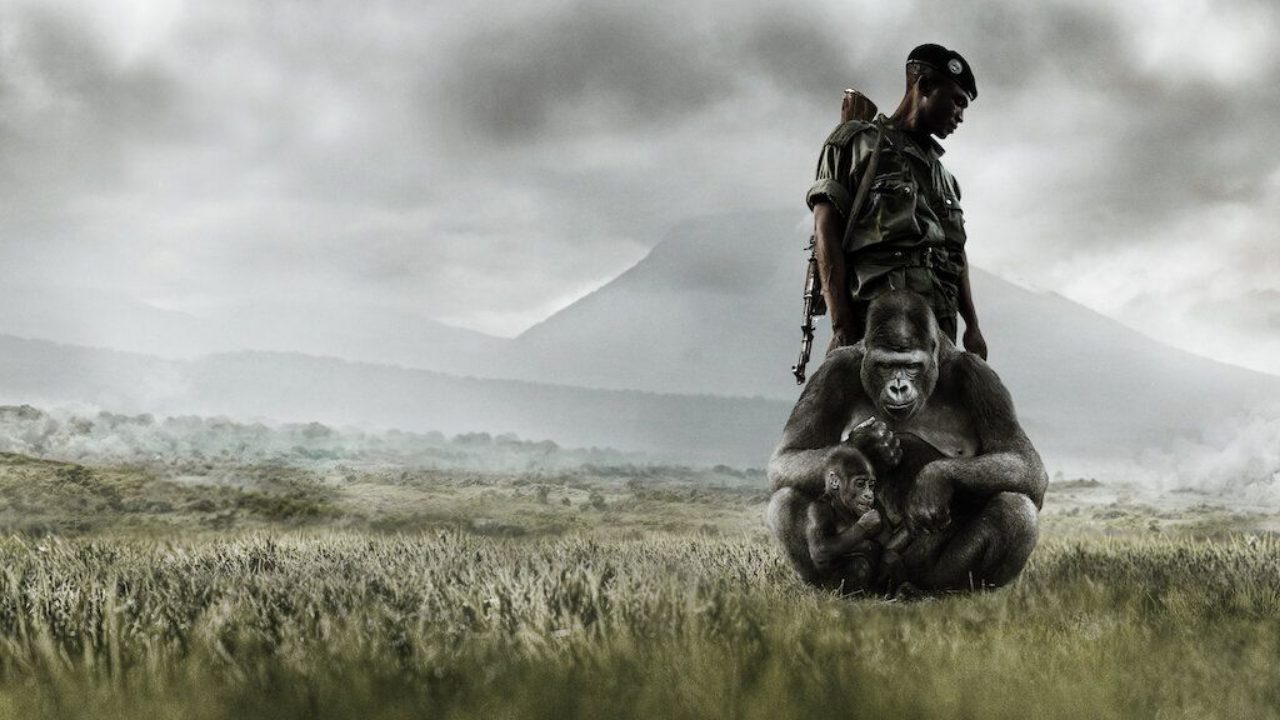
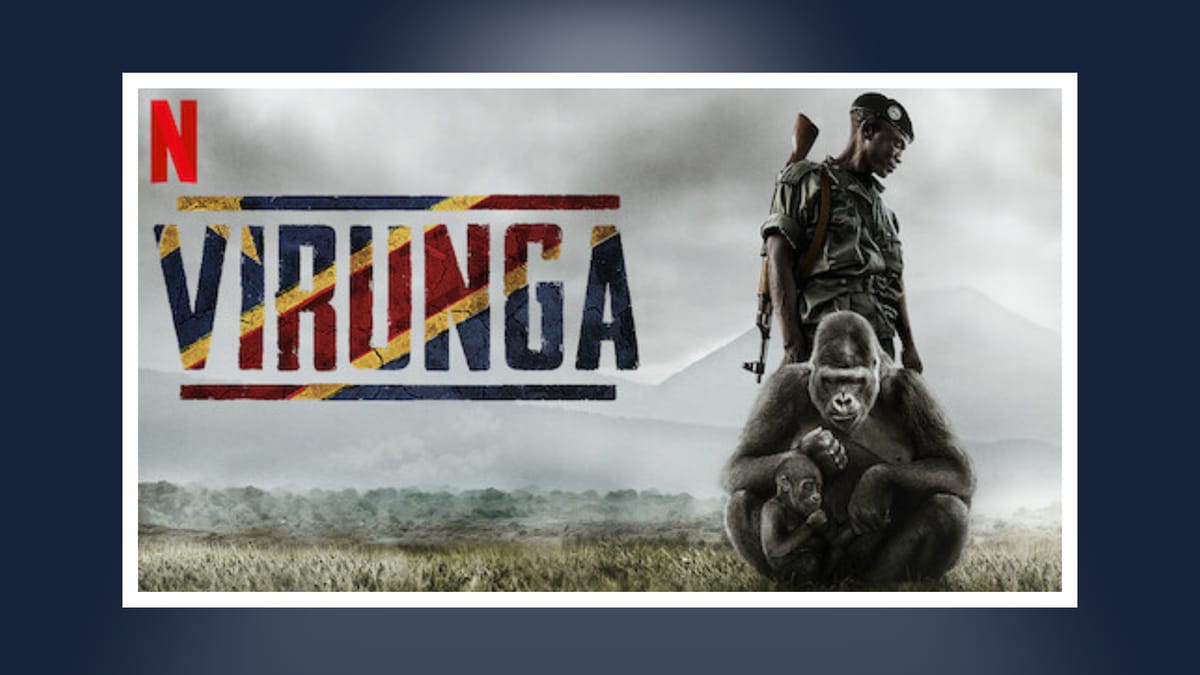
Many films mix styles. Virunga combines interview-led and observational approaches to build a powerful, emotional story. Choose based on your story, your characters and the emotions you want to draw out. My post on documentary narration styles goes into more depth.
5. Intimate, Immersive Access
Great documentaries take viewers to people, places or situations they would never otherwise see. That isn't just getting behind closed doors. It's earning the trust needed for real vulnerability.
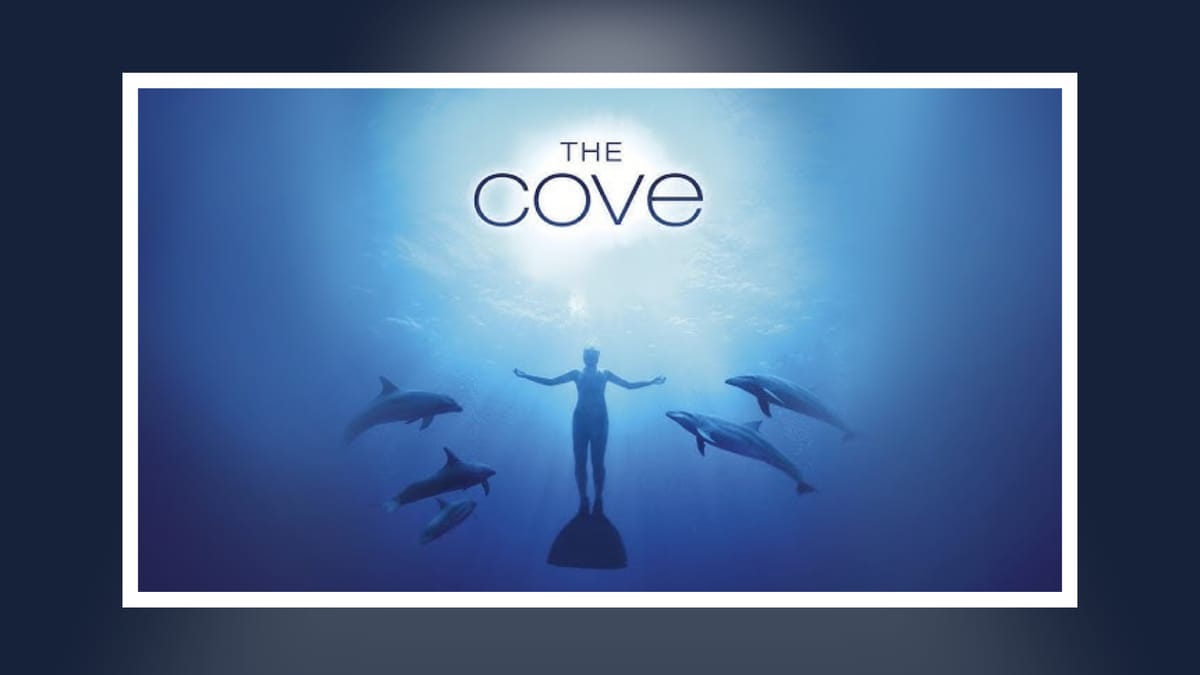
The Cove (2009), which exposes the killing of dolphins in Japan, is powerful because of the access its filmmakers gained. That access creates urgency and emotional connection.
Access is also what makes your film unrepeatable. Ask yourself who your central person is, what they bring that nobody else can, and where you're allowed to film. The answers decide how close the viewer gets to the truth.
6. Cinematic Quality and Visual Impact
Content comes first, but visuals take the story further. Well-composed shots, good lighting and creative camera work add immersion and emotion.
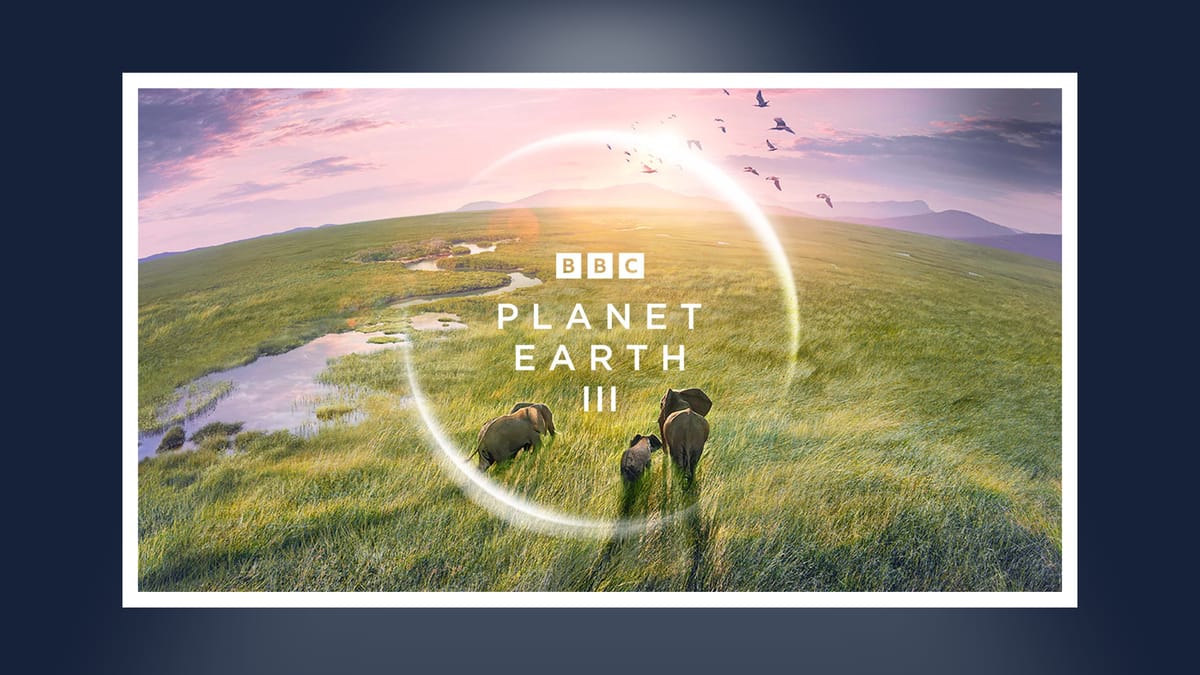
Planet Earth draws viewers into the natural world with stunning visuals. Even intimate, small-scale documentaries benefit from careful cinematography.
You don't need an expensive setup. Camera angles, movement and lighting choices matter more than the gear. For practical techniques, see my guide to 10 visual storytelling techniques for documentaries.
7. Insight and Bigger Themes
A great documentary may focus on one person or event, but it touches on universal truths that resonate beyond the screen.
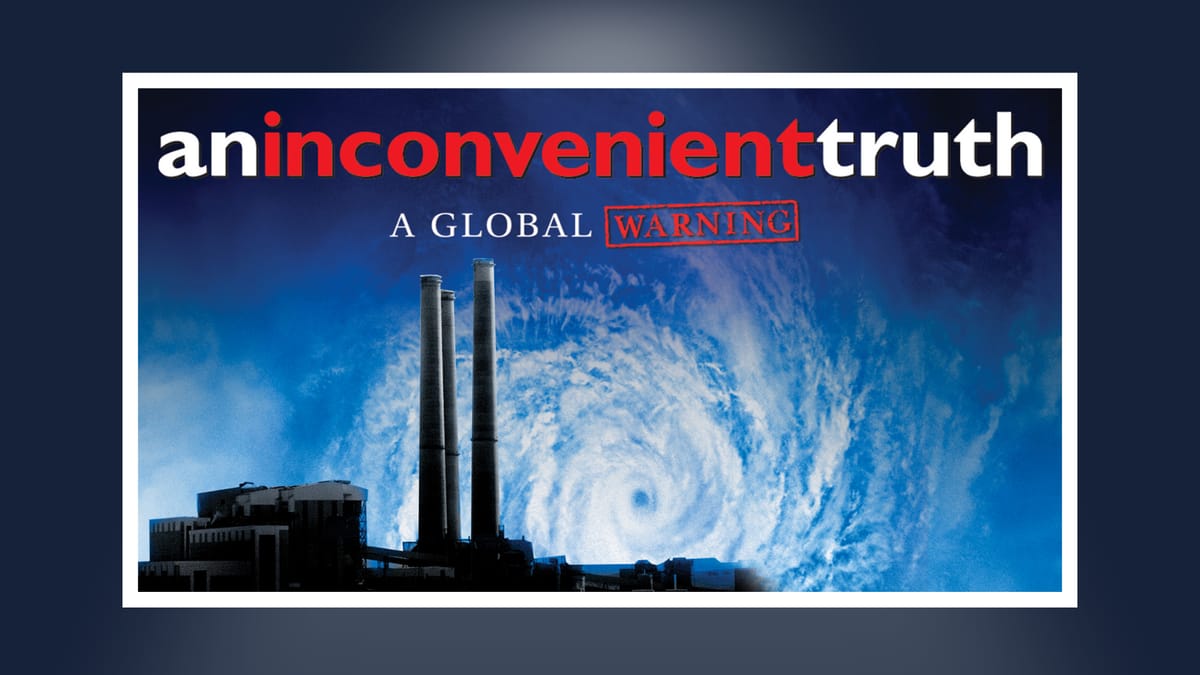
An Inconvenient Truth (2006) uses Al Gore's personal story to discuss the global consequences of climate change, sparking a worldwide conversation. Blackfish (2013) follows a single captive orca, but its bigger theme is the ethics of keeping animals in captivity for entertainment.
A documentary with depth makes viewers reflect, question or act. Before you start shooting, ask what someone might come away with after watching your film.
Putting It All Together
A great documentary is the combination: a story that moves people, characters they care about, tension that keeps them watching, a style that fits, access that feels real, visuals that pull them in and a theme that stays with them after the credits.
When you're ready to make your own, my step-by-step guide to making a documentary takes you from idea to finished film.
Get these seven elements working together and your film will stay with people long after they've watched it.
Frequently Asked Questions
What are the 5 elements of a good documentary?
A compelling story with emotional depth, authentic and complex characters, strong pacing and structure, cinematic visual quality, and a theme that connects to something bigger than the story itself. When they work together, the film holds attention and leaves a lasting impression.
What are the qualities of a good documentary?
A good documentary is honest, well-researched and emotionally engaging. It tells a clear story through real people and events, uses cinematic techniques to draw the viewer in, and has a point of view or central question that gives it purpose.
What are the keys to making a good documentary?
Find a story worth telling (not just a topic), gain deep access to your subject and build trust with the people in your film. Then hold tension through thoughtful structure and make deliberate choices about narration style and cinematography.
What should a good documentary have?
A clear narrative arc, relatable characters, high-quality visuals and a subject that matters, with pacing that keeps the audience engaged. The best leave viewers thinking about the film long after it ends.
What is the difference between a good documentary and a great one?
A good documentary informs. A great one transforms. The difference usually comes down to emotional resonance, the filmmaker's access to their subject, and whether the film says something meaningful about the human experience, as Hoop Dreams, The Thin Blue Line and Jiro Dreams of Sushi all do.