How to Create a Documentary Trailer: Step-by-step Guide

Learning how to make a documentary trailer is one of the most powerful skills a filmmaker can develop, and this step-by-step guide shows you exactly how to craft a compelling 60 to 90-second trailer that hooks audiences, impresses festivals, and gets your film seen.
Struggling to create a documentary trailer that stands out? You are not alone. Many filmmakers face the challenge of condensing hours of footage into a compelling story that pulls viewers in. The right trailer can be the difference between your film reaching its audience or fading into the background. In this guide, you will learn how to craft a documentary trailer that grabs attention and keeps people wanting more, from selecting your best footage to structuring every second for maximum impact.
Table of Contents
- What Is a Documentary Trailer?
- Prepare Before You Edit
- Structure Your Documentary Trailer in Five Key Sections
- How Long Should a Documentary Trailer Be?
- Voiceover, Text, and Music: Finishing Touches
- Tools and Software for Editing Your Documentary Trailer
- Tips for Refining Your Trailer
- Documentary Trailer Dos and Don'ts
- FAQ: Documentary Trailer Questions Answered
What Is a Documentary Trailer?
A documentary trailer is a short promotional video, typically between 60 and 120 seconds long, designed to generate interest in your film. It is a marketing tool that gives potential audiences, festivals, broadcasters, and distributors a compelling taste of your story without giving away the resolution. Unlike a film summary or sizzle reel, a great documentary trailer creates emotional tension, raises questions, and leaves the viewer wanting to know what happens next.
Documentary trailers serve a specific purpose depending on where you are in the filmmaking process. At the funding stage, a trailer proves to investors that you have access to your story and can execute your vision on screen. At the distribution stage, it convinces broadcasters and streaming platforms that your film has an audience. At the marketing stage, it draws that audience in. Understanding this purpose shapes every creative decision you make when editing your trailer.
If you want to understand the broader context of how your film will be seen, read our guide to how to get your documentary on Netflix and other streaming platforms.
Prepare Before You Edit
Before you open your editing software, the most important decisions about your documentary trailer have already been made. What you choose to include, and what you leave out, determines whether your trailer succeeds or falls flat. Preparation is everything.
Select Your Best Footage
Start by picking the strongest moments from your film. Focus on key plot points, impactful scenes, and visually stunning shots. Only the best of the best should make it into the trailer. Think in terms of emotional peaks: the moments that made you lean forward in your chair during the edit.
In The Eagle Huntress, the trailer opens with breathtaking shots of the Mongolian landscape and the ancient tradition of eagle hunters, instantly capturing the essence of the story.
When reviewing your footage, ask yourself: Does this shot create a question in the viewer's mind? Does this moment carry emotional weight? If the answer is no, leave it out. Every second in a documentary trailer costs you something, so spend it wisely.
Choose Music Carefully
Music is not just background. It drives the emotion of your trailer. Pick tracks that fit the tone of your film, whether it is dramatic, hopeful, or tense. Even a placeholder track can help you find the right feel during the rough cut stage. The music you choose will often determine the pacing of your cuts, so it is worth spending serious time on this decision before you begin editing.
In the documentary trailer for 13th, they use an intense and haunting score that matches the gravity of the subject matter, adding urgency and depth to the visuals. The music does not compete with the story. It amplifies it.
You can find high-quality royalty-free music through sites like Musicbed, Artlist, and Epidemic Sound. If you have a composer working on your film, ask them to create a trailer cut of their score as well.
Structure Your Documentary Trailer in Five Key Sections
A documentary trailer follows the same emotional arc as any great story: a beginning that hooks, a middle that builds tension, and an ending that leaves the audience wanting more. Here is the five-section structure used by professional trailer editors to create that arc in under 90 seconds.
1. The Hook (0 to 10 Seconds)
- Grab Attention Immediately: The first 10 seconds are crucial. Use a surprising statement, a provocative question, or a visually stunning shot to make viewers stop scrolling and watch. Your hook does not need to explain the film. It just needs to create an irresistible reason to keep watching.
- In the trailer for Free Solo, the first few seconds show Alex Honnold walking towards the sheer cliff face of El Capitan and talking about climbing it without a rope. It is visually stunning and terrifying, instantly gripping the audience.
- Know Your Audience: Tailor your hook based on who you want to reach, whether it is festival judges, potential funders, or a general audience. The same footage can be edited very differently depending on who is watching.
2. Introduction (10 to 30 Seconds)
- Introduce the Premise: Clearly show what your documentary is about in under 20 seconds. Set the context and establish the stakes. Viewers should understand the world they are entering without having it over-explained.
- In the trailer for Won't You Be My Neighbor we are introduced to the gentle but profound influence of Fred Rogers in the first 30 seconds, showing clips from his iconic show and setting the emotional tone of the film.
- Build Credibility: Use key figures, news clips, or strong visuals to establish why your story matters. If your film carries social weight or unique access, signal that here.
3. Rising Tension (30 to 60 Seconds)
- Show the Conflict: Introduce the core problem or investigation at the heart of your film. Highlight the main challenges or conflicts to build interest and emotion. This is where the stakes become real for the viewer.
- In Icarus, the trailer shows a sequence of mysterious, high-stakes events that lead to uncovering a massive doping scandal, building tension and curiosity.
- Escalate the Drama: Show footage that raises the stakes. Make viewers feel the urgency of the situation. Quick cuts, rising music, and emotionally charged sound bites all work together here.
This is also where the techniques covered in our guide to how to build suspense in a documentary become most useful. The same principles that make your film gripping apply directly to your trailer.
4. Climax (60 to 80 Seconds)
- Reach the Peak: This is where the tension hits its highest point. Let the music swell and the visuals intensify. Cut fast. Use the energy to push the viewer towards the edge of their seat.
- In the trailer for Blackfish, fast cuts of whales thrashing and interviews with emotional former trainers create the intensity of the conflict without giving away the resolution.
- Keep It Vague: Do not give away the resolution. Leave viewers wondering how things will turn out. The goal is to make them feel like they absolutely cannot miss the full film.
5. Outro (80 to 90 Seconds)
- Bring It Full Circle: Reference your hook. Reflect, but do not resolve everything. Leave some questions unanswered. The most memorable documentary trailers end on a note that lingers in the viewer's mind long after the screen goes dark.
- The trailer for The Cove ends with shots of hidden cameras and a voice urgently saying, "Get out of there, get out of there now." This implies danger and suggests they have been discovered, creating intrigue and compelling the audience to watch the documentary to see what unfolds.
- Call to Action: Tell viewers what to do next. Visit your website, watch the full documentary in theatres or online, or share it. Make it easy for them to stay engaged.
How Long Should a Documentary Trailer Be?
A documentary trailer should be between 60 and 120 seconds long. The sweet spot for most documentary trailers is 90 seconds. This gives you enough time to hook the audience, establish your premise, build tension, and leave them wanting more, without outstaying your welcome. Trailers that run longer than two minutes risk losing the audience before the climax.
There are two common formats to consider: a full trailer (90 seconds to 2 minutes) and a teaser trailer (30 to 60 seconds). Teaser trailers are released early in the production process to build anticipation, often before the film is finished. They typically contain minimal plot information and focus entirely on atmosphere and intrigue. A full trailer is reserved for when you want audiences to understand what the film is about and commit to watching it.
For festival submissions and broadcaster pitches, a 90-second trailer is usually the most effective format. It respects the time of busy programmers and commissioning editors while giving your film enough room to breathe.
Voiceover, Text, and Music: Finishing Touches
Once your structure is locked, three finishing elements can elevate your documentary trailer from good to unforgettable.
Voiceover and Dialogue
Voiceover is a powerful storytelling tool in documentary trailers. It can be used to set up context that the visuals alone cannot convey, introduce the central character or conflict, or create an emotional through-line across the trailer. You can use voiceover recorded specifically for the trailer or repurpose compelling dialogue spoken by subjects in the film.
The key is restraint. Use voiceover to open a door, not to explain everything behind it. The most effective documentary trailers let the footage and music carry most of the emotional weight, with voiceover used sparingly for specific moments of clarity or impact.
On-Screen Text and Title Cards
Title cards serve several functions in a documentary trailer. They can introduce context ("Based on 1,000 hours of footage"), establish credibility ("Official selection, Sundance Film Festival"), or simply create atmosphere. Keep your typography clean and consistent with the visual tone of your film. Avoid cluttering the screen with text. One strong title card is worth more than five weak ones.
Music and Sound Design
Music is the emotional engine of any documentary trailer. It tells the audience how to feel before they have time to consciously process what they are seeing. Choose tracks that match the emotional arc of your trailer, starting with something that creates intrigue, building to tension, and peaking at the climax.
Sound design matters just as much. The crack of a closing door, an urgent heartbeat, or the ambient noise of a location can be as powerful as any score. Think of your audio as a second layer of storytelling running beneath the visuals.
Tools and Software for Editing Your Documentary Trailer
You do not need expensive software to make a great documentary trailer. What you need is a solid editing workflow and a clear vision. That said, here are the most widely used tools among documentary filmmakers:
- Adobe Premiere Pro: The industry standard for documentary editing. Its timeline-based workflow is intuitive for trailer cutting, and it integrates seamlessly with After Effects for title card design.
- Apple Final Cut Pro: Popular with Mac-based filmmakers for its speed and magnetic timeline. Excellent for quick turnaround trailer edits.
- DaVinci Resolve: A professional-grade option that is free for most features. Particularly strong for colour grading your trailer to match your film's visual tone.
- Avid Media Composer: Common in broadcast and high-end documentary production. Useful if you are cutting your trailer within the same project as your main edit.
- iMovie: A capable free option for beginners. Limited in advanced features but more than sufficient for a first-cut documentary trailer.
Whichever tool you choose, the principles of documentary trailer editing remain the same. Tools give you the means, but your own creativity and the footage you start with form the foundation. For more on the filmmaking process from the ground up, see our guide to how to make a documentary.
Tips for Refining Your Trailer
- Edit to Music: Sync your cuts to the rhythm of the music. This keeps the trailer engaging and gives it a natural, propulsive flow. Cut on the beat for action, and hold on the frame for emotional moments.
- Keep It Short: Stick to 60 to 90 seconds. It is a teaser, not a summary. Every moment should add value and build toward the climax. If a shot does not contribute to tension, emotion, or understanding, cut it.
- Test It: Show your trailer to people who have not seen the documentary. Pay attention to their reactions. Do they look hooked? Do they have questions? Use their feedback to refine and improve. If they are confused about the premise, your introduction section needs work. If they feel nothing during the climax, the music or the footage choices need rethinking.
- Export in the Right Format: For online sharing, export as a highly compressed MP4 at 1080p. For festival submissions, check each festival's specific requirements. For email pitches, keep the file under 10MB or use a Vimeo or YouTube link.
If your documentary is at the stage where you need a shorter proof-of-concept video for pitching, you may also want to explore our full guide to how to make a documentary sizzle reel, which serves a slightly different purpose from a trailer and is especially useful at the early funding stage.

Documentary Trailer Dos and Don'ts
Getting the fundamentals right separates a trailer that gets your film seen from one that gets ignored. Here is what to do, and what to avoid.
Do:
- Open with a hook that creates an immediate question or emotion in the first 10 seconds.
- Choose music that matches and drives the emotional arc of your trailer.
- Keep your trailer between 60 and 120 seconds. Shorter is almost always better.
- Show access. Demonstrate that you have a genuine relationship with your subjects.
- Use title cards sparingly to establish context and credibility.
- Test your trailer on people who have not seen the documentary and gather honest feedback.
- End on a moment that lingers, a question unanswered, a visual that haunts, a line of dialogue that resonates.
Don't:
- Give away the resolution. A trailer is a tease, not a summary.
- Use too many title cards. If your trailer reads like a press release, redesign it.
- Let the trailer run longer than two minutes. Every second over 90 risks losing the audience.
- Use music that clashes with the tone of your film. Every element should feel cohesive.
- Edit in silence. Always cut to music, even if that music changes in the final version.
- Ignore the sound design. What the viewer hears is just as important as what they see.
- Submit to festivals without watching your trailer at least 10 times in full before sending.
Key Takeaways
- Craft a Strong Hook: Capture attention within the first 10 seconds.
- Build Tension: Escalate conflict and keep the energy high.
- Leave Viewers Wanting More: Do not reveal everything. Tease just enough to get viewers interested.
Creating a documentary trailer can feel overwhelming, but breaking it down into these five sections makes it manageable. A great trailer does not summarise the whole story. It creates an emotional connection and makes people want more. Focus on key moments, keep the energy high, and always think about what will hook your audience and keep them engaged.
FAQ: Documentary Trailer Questions Answered
How long should a documentary trailer be?
A documentary trailer should typically be between 60 and 120 seconds. The ideal length is 90 seconds for most audiences and festival submissions. Anything longer than two minutes risks losing viewers before the climax. Teaser trailers, designed to build early anticipation, usually run between 30 and 60 seconds.
What makes a good documentary trailer?
A good documentary trailer hooks viewers in the first 10 seconds, establishes the premise clearly, builds tension through the middle section, reaches an emotional climax, and ends on a moment that makes the audience feel they must watch the full film. Strong music, purposeful editing, and a clear emotional through-line are the three most important technical elements.
What is the difference between a documentary trailer and a sizzle reel?
A documentary trailer is designed for public audiences and is released when the film is complete or near completion. A sizzle reel is typically created at the development stage to pitch to funders, broadcasters, or co-producers. A sizzle reel shows the potential of the project and the filmmaker's vision. A trailer shows the finished film at its most compelling. Both require strong storytelling, but they serve different audiences and different stages of the filmmaking process.
How do I structure a documentary trailer?
Structure your documentary trailer using five sections: a hook in the first 10 seconds, an introduction of the premise from 10 to 30 seconds, rising tension and conflict from 30 to 60 seconds, a climax from 60 to 80 seconds, and an outro from 80 to 90 seconds that leaves questions unanswered. This structure mirrors the three-act story arc and is used by professional trailer editors worldwide.
What software do I use to edit a documentary trailer?
The most commonly used tools for editing documentary trailers are Adobe Premiere Pro, Apple Final Cut Pro, DaVinci Resolve (which is free), Avid Media Composer, and iMovie for beginners. The software matters far less than your creative decisions about footage selection, pacing, and music. Any editing software that gives you a multi-track timeline is sufficient to cut a professional documentary trailer.
Do I need a trailer before my documentary is finished?
Yes, in many cases. If you are pitching to investors or applying to documentary funding programmes, a short proof-of-concept video or teaser trailer is often required or strongly recommended. It demonstrates your access to the story and your ability to execute your vision. For a full audience-facing trailer, waiting until you have a picture lock is preferable, as it gives you access to your strongest finished footage.
Free Documentary Filmmaking Training
If you want more value-packed filmmaking tips like in this blog, I’ve put together a free documentary training video where I share how I make cinematic documentaries. Click here to sign up and get instant access.

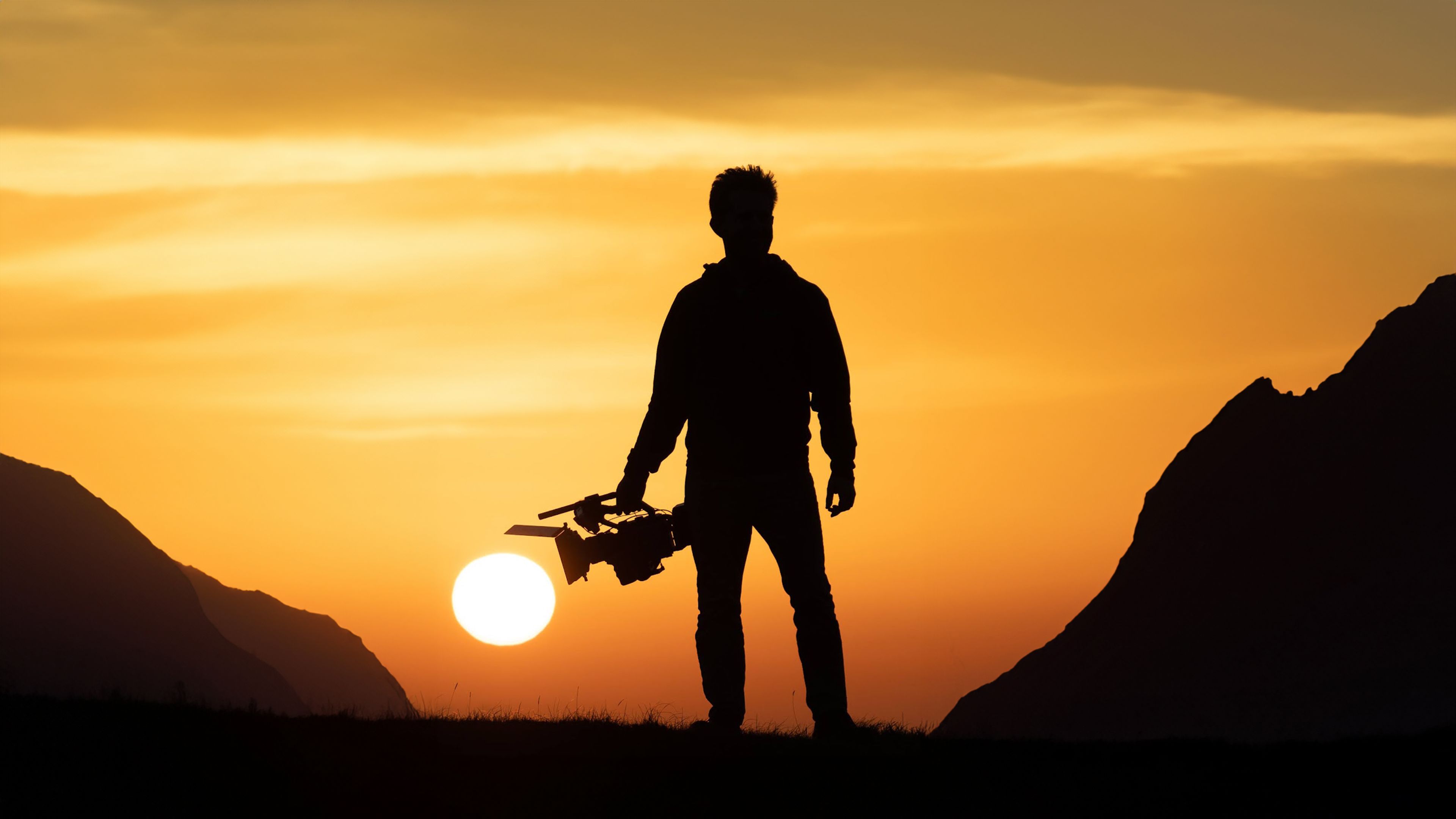
Photo credits: Asher Svidensky, The Eagle Huntress