How to Start Making a Documentary (7-Step Guide)
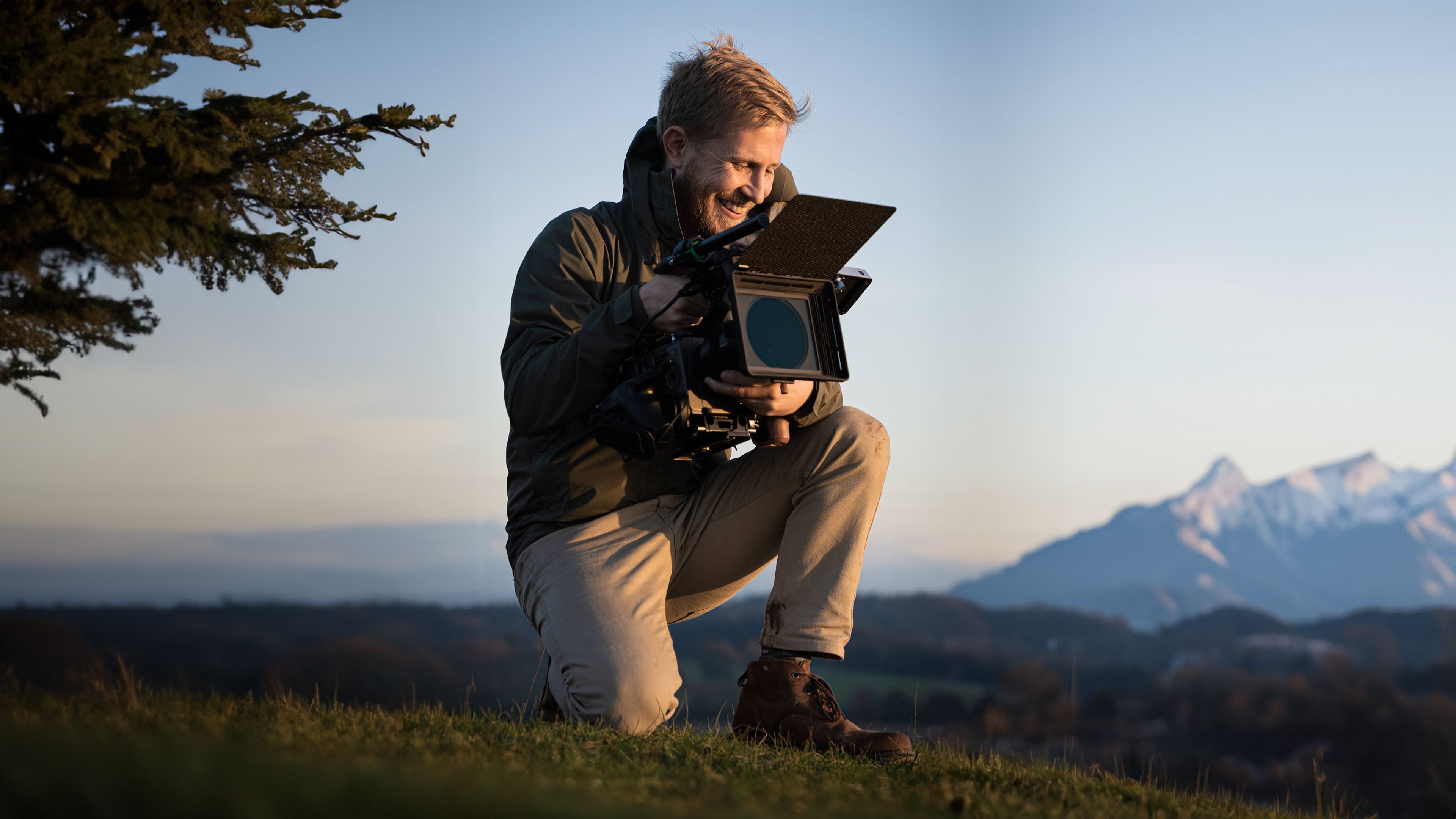
You don't need film school, expensive gear, or industry connections to start making a documentary.
I've been making documentaries for over 15 years. My films have been broadcast internationally, screened at festivals, and picked up by streaming platforms. And I started with no experience, a basic camera, and a story I cared about. If you've ever watched a documentary that left you inspired and wondered, "How do I start making a documentary?" this post walks you through the entire process, step by step.
What I Cover Below
- Find Your Documentary Story
- Do Research for Your Documentary
- Develop a Documentary Plan
- Gather Your Equipment
- Start Filming
- Edit Your Documentary
- Share Your Film With an Audience
- Can You Make a Documentary With No Experience?
- Documentary Filmmaking Tips
- What Makes a Good Documentary?
- FAQ
What Is a Documentary Film?
A documentary is a non-fiction film that tells a real story about real people, events, or issues. Unlike fiction films, documentaries draw their power from truth. They use interviews, archival footage, voice-over narration, and observational footage to give audiences a window into something they wouldn't otherwise see.
Documentaries tackle social, political, and environmental issues. They also explore deeply personal stories. The techniques they use include:
- Interviews: Conversations with experts, witnesses, and people directly involved in the story.
- Archival Footage: Historical images and videos that provide context and visual evidence.
- Voice-over Narration: Guidance and perspective to shape the story.
- Observational Footage: Capturing real moments as they unfold.
By weaving these techniques together, documentaries foster awareness, provoke thought, and drive social change. They bring untold stories and overlooked perspectives to light.
How to Start Making a Documentary: 7 Steps
I'm going to walk you through the key steps to making a documentary, from finding a story and doing research to choosing the right equipment, filming, and editing your final cut. My hope is this gives you an overview of the entire filmmaking process and inspires you to make your dream documentary.
1. Find Your Documentary Story

Every great documentary begins with a compelling story. Whether it's a personal experience, a social issue, or an intriguing character, the key is to find a story you're passionate about and believe needs to be told.
Look for unique perspectives. Consider the story's relevance today. Evaluate its potential for visual storytelling. Conduct preliminary research to make sure there's enough material to work with. And think about access: can you actually get to the people and places you need?
For a deeper look at this step, I've written a full guide: How to Find and Develop Great Documentary Ideas.
2. Research Your Documentary Topic

Research is the backbone of any documentary. Read books, watch existing documentaries on the topic, talk to experts, and gather as many perspectives as possible. Good research shapes your narrative, helps you find the right characters, and prevents surprises during production.
At this stage, start identifying potential interviewees and locations. Build relationships with your subjects early. Trust takes time, and the earlier you start, the more honest and open your footage will be.
If your subject involves sensitive topics, research the ethical considerations too. A good starting point is thinking through how your film could affect the people in it.
3. Develop a Documentary Plan

Once your research is solid, create a plan. This includes a documentary treatment (a written outline of your story), a shot list, a production schedule, and a budget. Planning saves you time and money on set.
Think about the structure of your film. Will it follow a chronological timeline? Will you use a three-act structure? Will it be character-driven or topic-driven? These decisions shape everything that comes next.
If you need help with budgeting, I've written a separate guide on how to create a documentary budget. And if you're working on your script, check out my guide on how to write a documentary script.
4. Gather Your Documentary Filmmaking Equipment
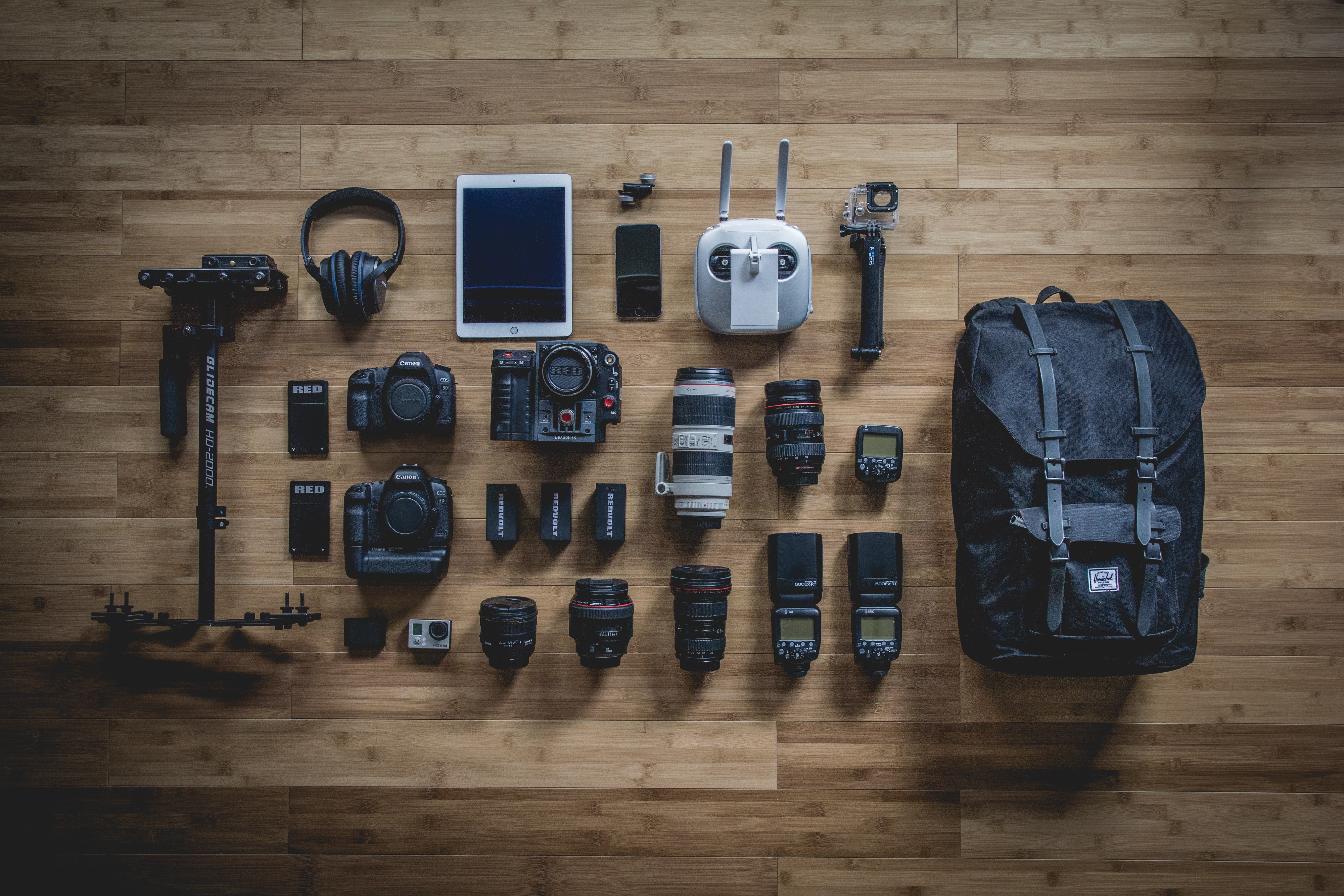
You don't need the most expensive gear to make a good documentary. What matters is that your footage looks clean and your audio is clear. Many award-winning documentaries have been shot on modest setups.
At minimum, you'll need a camera, a tripod, a microphone (a lavalier or shotgun mic), and headphones to monitor your audio. If budget allows, add lighting and a gimbal or slider for smoother shots.
I've put together a free documentary camera guide that breaks down exactly what you need at every budget level.
5. Start Filming Your Documentary
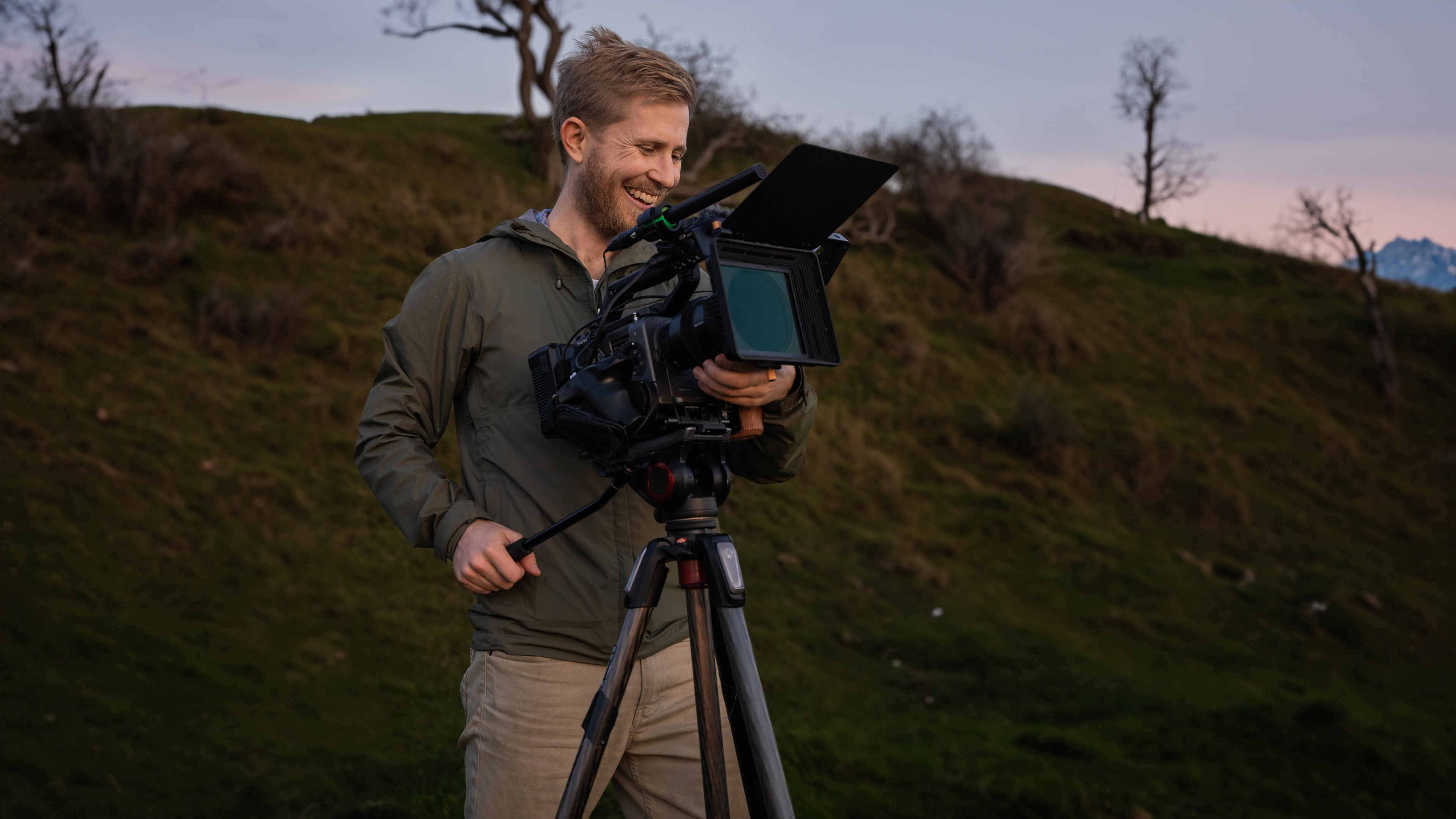
This is where it all comes together. Conduct interviews, capture b-roll, use visual storytelling techniques, and maintain ethical standards throughout.
Be patient and stay flexible. Documentary filmmaking is unpredictable. Some of the best moments happen when you least expect them. Keep your camera rolling and be ready to follow the story wherever it takes you.
If you're working solo, don't worry. Many successful documentaries are made by one person. I've written a full guide on solo documentary filmmaking that covers how to handle everything yourself.
6. Edit Your Documentary Film
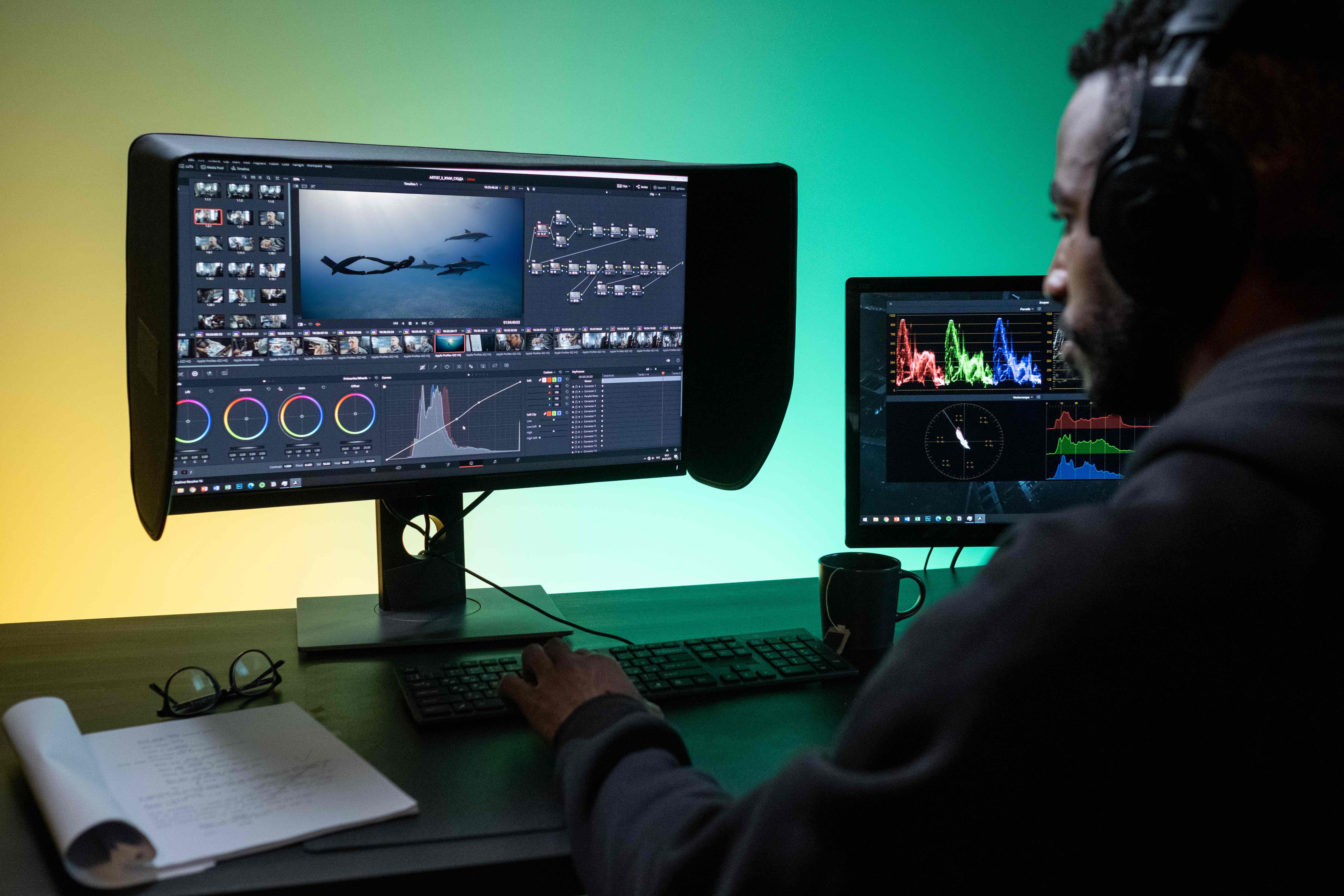
Editing is where your documentary truly takes shape. This is where you'll structure your story, add music and graphics, and refine everything until it works.
Organise your footage first. Create a rough cut. Then refine your narrative, add music, and get feedback from people you trust. Don't rush this stage. Good editing takes time.
For a detailed walkthrough, read my guide: 6 Steps to Editing a Powerful Documentary.
7. Share Your Documentary Film With an Audience
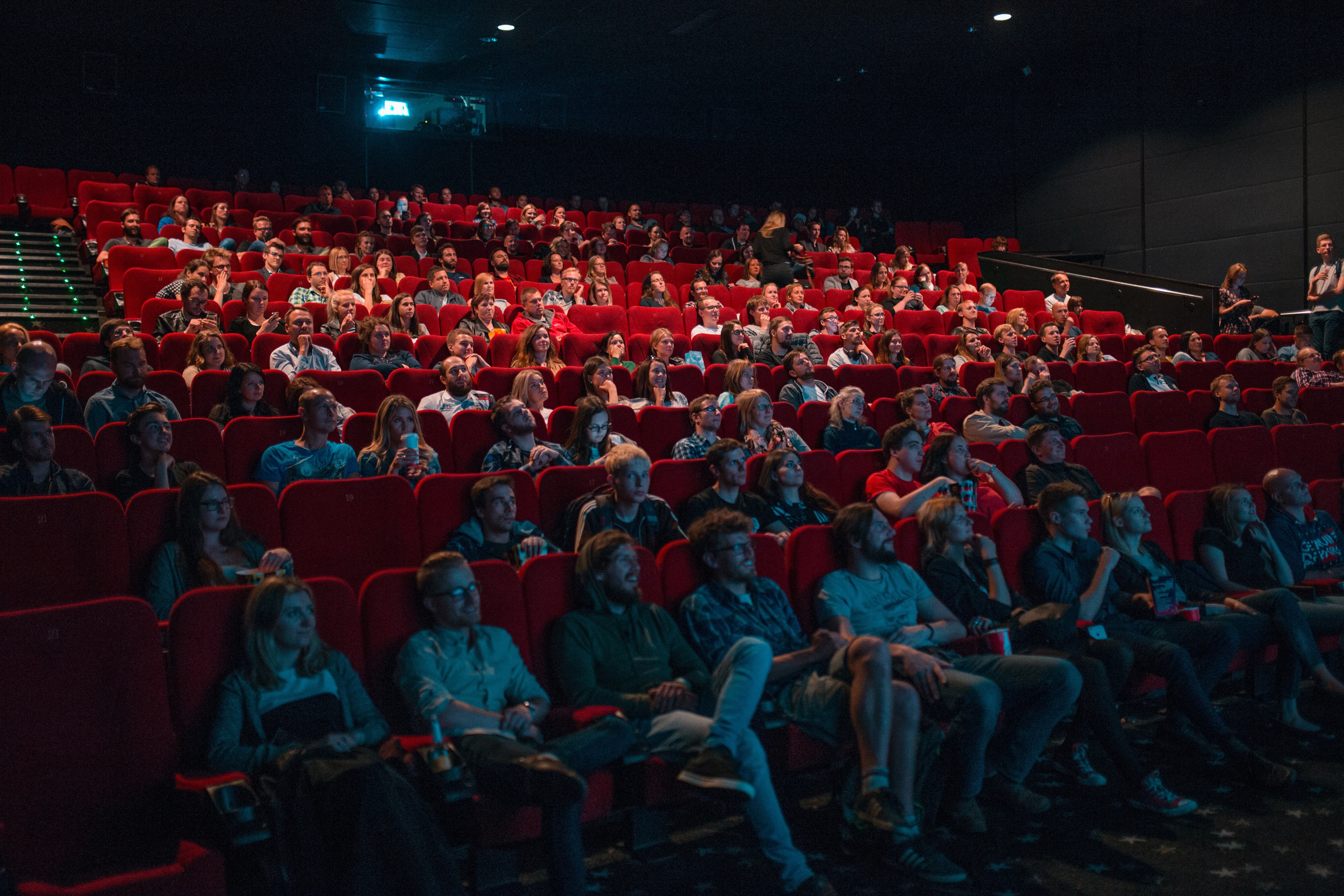
Once your documentary is complete, it's time to share it. Think about who your audience is and where they spend their time. Your options include:
- Film festivals: A great way to build credibility and attract distributors. I've put together a guide on how to get your documentary into film festivals.
- Online platforms: YouTube, Vimeo, and social media are free ways to reach a global audience.
- Streaming services and broadcasters: If your film is broadcast-quality, you can pitch it to networks and platforms.
- Community screenings: Organise local screenings and Q&A sessions to build an audience around your film.
For a complete breakdown of your distribution options, read my guide on how to get your documentary distributed.
Can You Make a Documentary With No Experience?
Yes. I'm proof of it. I started with no filmmaking background, no formal training, and a lot of questions. Since then I've gone on to create documentaries that have won awards, been broadcast internationally, and attracted paying clients.
The barriers to entry have never been lower. Modern cameras are affordable. Editing software like DaVinci Resolve is free. And YouTube is full of tutorials on every technical skill you need.
What matters more than experience is having a story you care about and the persistence to finish your film. Start small. Make a 5-minute short about something in your local community. You'll learn more from finishing one film than from reading about filmmaking for a year.
If you want a structured path without film school, read my guide on how to become a documentary filmmaker without film school.
Documentary Filmmaking Tips
After 15+ years of making documentaries, here are the tips I wish I'd known from the start:
- Focus on story first, gear second. A compelling story told on a phone beats a boring story shot on a cinema camera.
- Record the best audio you can. Audiences will forgive shaky footage. They won't forgive bad sound.
- Build trust with your subjects. Spend time with them before you start filming. The more comfortable they are, the more honest the footage.
- Craft a strong narrative. Focus on a compelling character, a clear goal, and real stakes. That's the structure of every great documentary.
- Get feedback early. Show rough cuts to people you trust. Fresh eyes catch problems you can't see.
- Check legal and copyright issues. If you use archival footage, music, or brand images, make sure you have the rights. This is easy to overlook and expensive to fix later.
For more detail, I've written a separate post with 6 documentary filmmaking tips from 15+ years of experience.
What Makes a Good Documentary?
A powerful documentary tells the story of someone with a challenging goal and shows what they go through trying to reach it. It shows the ups and downs, both from the outside world and their own feelings. The film makes it clear what they could lose if they don't succeed, whether that's something big like their life, something emotional like their happiness, or something important like their values.
That's what keeps an audience watching: a character we care about, a goal we want them to reach, and stakes that make it matter.
Frequently Asked Questions
How hard is it to become a documentary filmmaker?
It's not hard to start. The real challenge is finishing your first film and then doing it again. Documentary filmmaking takes patience, persistence, and a willingness to learn as you go. The technical skills are learnable. The storytelling instincts develop with practice. Start with a short project and build from there.
How much does it cost to make a documentary?
It depends on your scope. A short documentary shot locally on your own equipment could cost almost nothing. A feature-length documentary with travel, crew, and licensing can run from a few thousand to hundreds of thousands. The biggest costs are usually travel, equipment hire, editing, and music licensing. For a full breakdown, check out my guide on documentary budgeting.
What equipment do I need to make a documentary?
At minimum: a camera (even a smartphone), a microphone, a tripod, and editing software. As your budget grows, invest in better audio equipment first, then lighting, then camera upgrades. I cover this in detail in my free documentary camera guide.
How do I fund a documentary?
Common funding options include grants, crowdfunding, pre-sales to broadcasters, private investors, and self-funding. Many first-time filmmakers fund their projects out of pocket and keep costs low. For a full list of options, read my guide on how to fund a documentary.
How long does it take to make a documentary?
A short documentary can be made in a few weeks. A feature-length film often takes 1 to 3 years from concept to completion. The biggest variables are access to your subjects, the complexity of the story, and how much time you can dedicate to the project.
Start Making Your Documentary
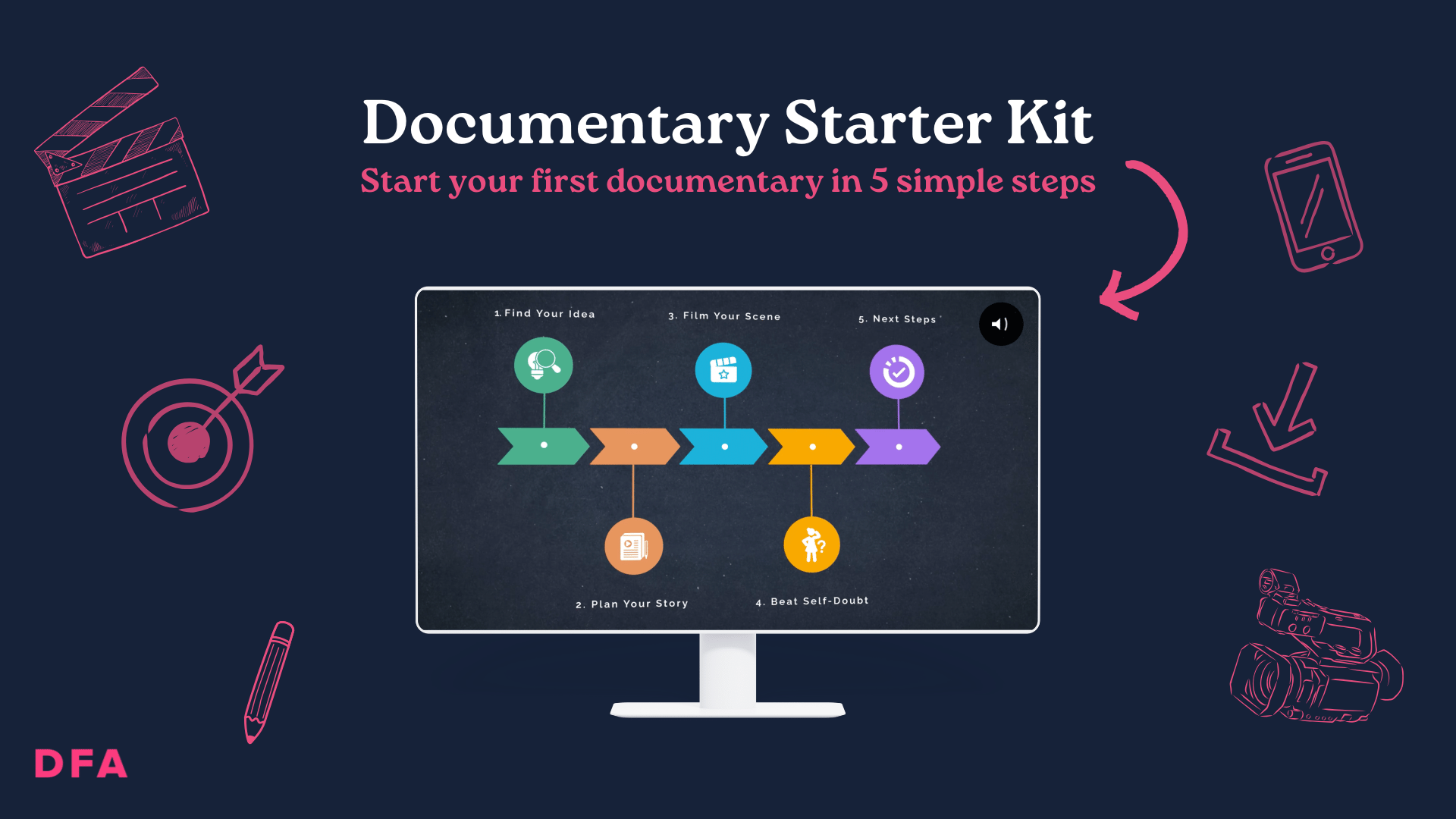
If you want a structured way to turn your idea into real progress, take a look at the Documentary Starter Kit. It gives you a clear, practical system to begin your film with confidence, even if you have no experience. You'll get step-by-step guidance, templates, and a process you can follow from day one.
Instead of guessing what to do next, you'll have a straightforward plan to help you choose your story, structure your film, and shoot your first scene.
Good luck, and I'd love to see what you make.
👉 Get the Documentary Starter Kit and start your film today