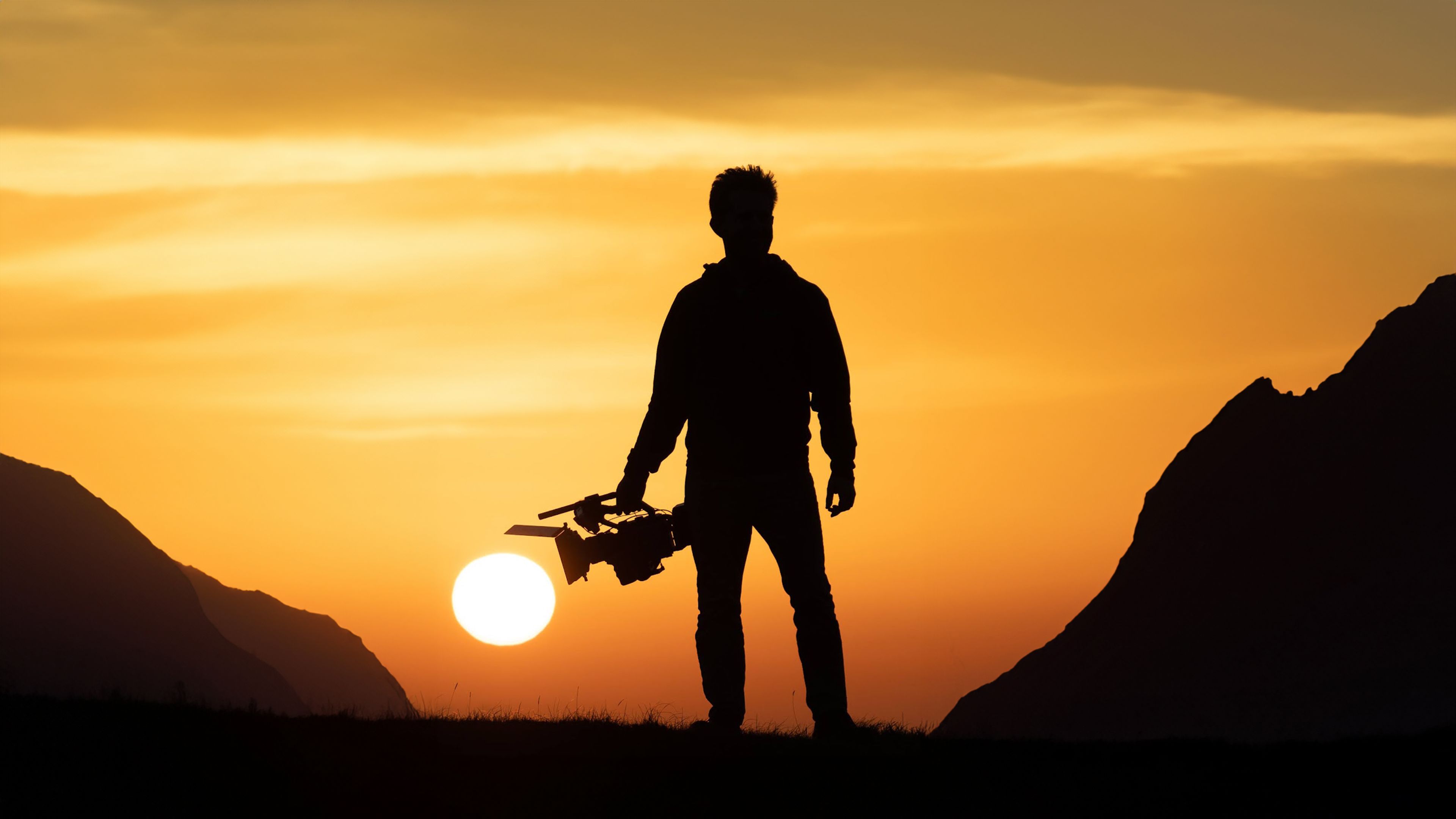
How to Shoot an Action Sports Video (Pro Tips)
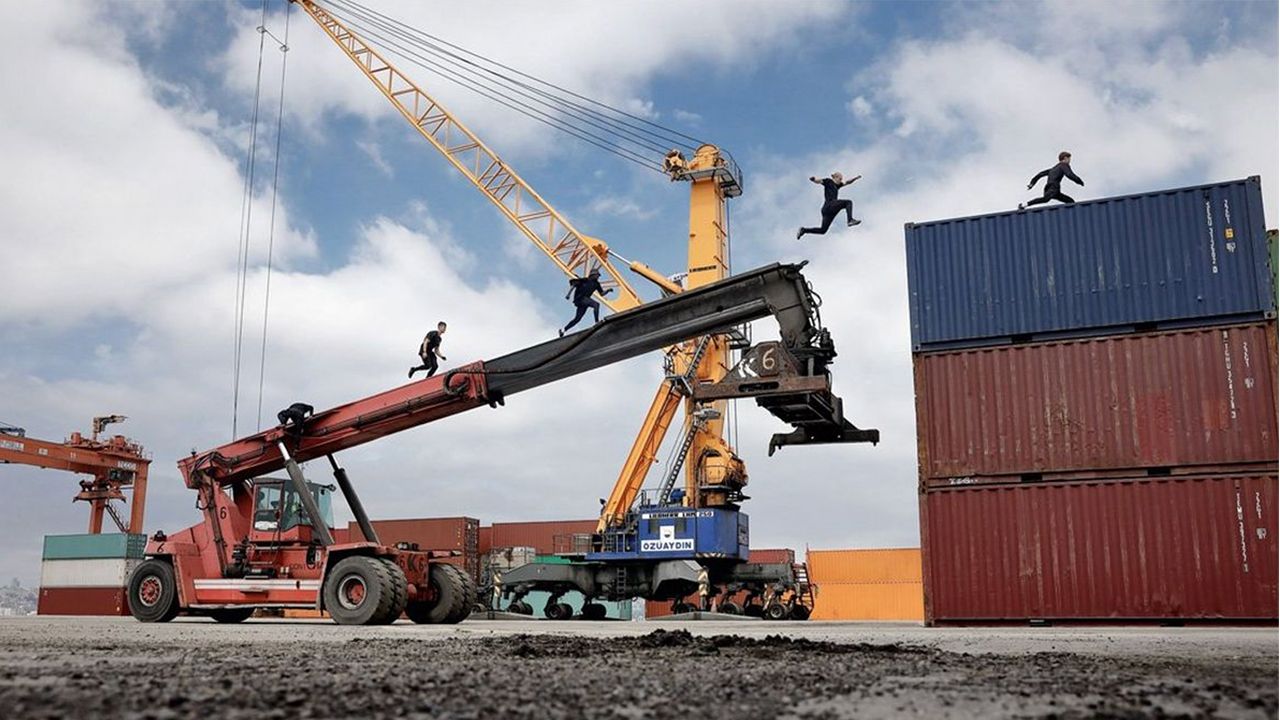
Want to shoot an action sports video that actually looks cinematic? After 10 years filming parkour, base jumping, and branded content for Canon and Red Bull, here are the techniques that make the biggest difference.
Filming action sports in a cinematic way is one of the hardest things you can do with a camera. The athletes move fast, the conditions change constantly, and you rarely get a second take. Throughout my journey as a filmmaker, I've had the privilege of filming a variety of action sports, from parkour to base jumping. And today I'd like to share some insights from the last 10 years of filming action sports.
What You'll Learn in This Post
- 8 filmmaking tips for action sports
- Best video settings for action sports
- What makes a great sports video
- FAQ: action sports filming questions answered
Filmmaking Tips: How to Film Action Sports
Here are my essential tips to create a visually stunning and immersive action sports video that leaves the audience on the edge of their seats.
1. Develop a strong concept and narrative when making an action sports video
Before you start shooting, it's essential to have a clear vision of what you want to achieve. Develop a strong concept and narrative that will guide your video, whether it's an athlete's personal journey, a dramatic competition, or a showcase of jaw-dropping stunts. Having a cohesive story will provide a framework for your visuals and make your video more engaging.
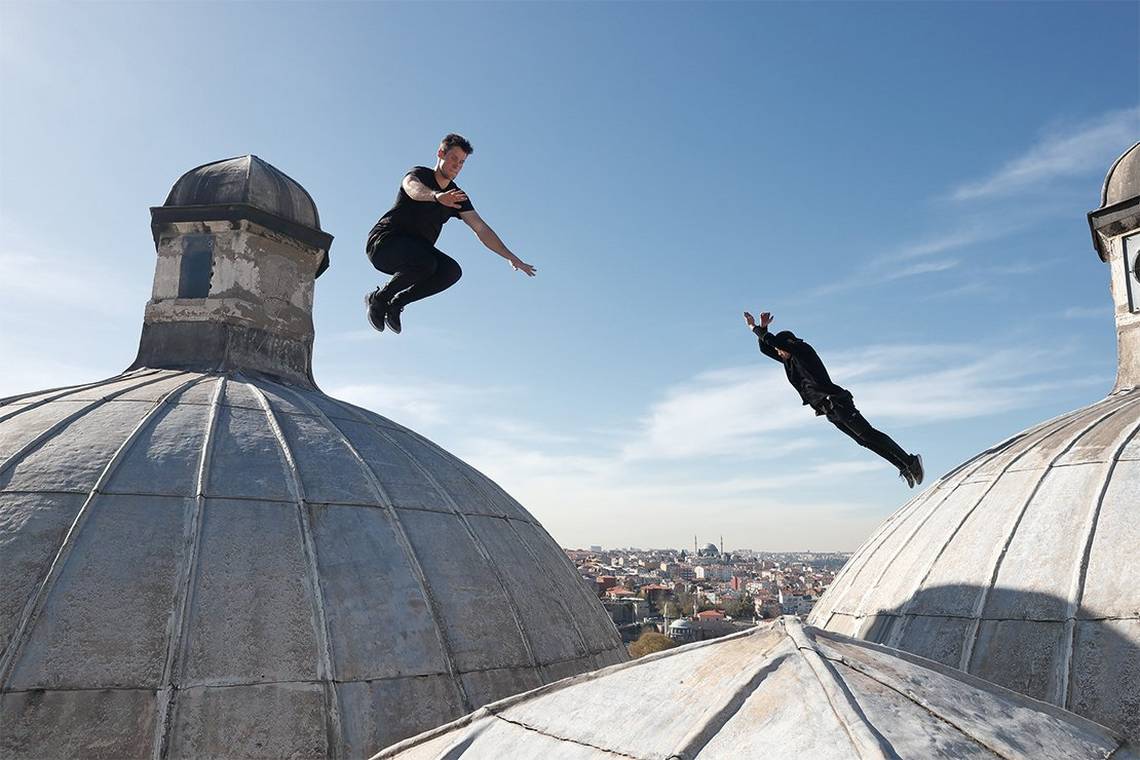
For example, for a film I made for Canon with Storror, the concept was for Storror to get from Europe to Asia by parkour. That single idea gave every shot a purpose. You can watch it here:
2. Know the sport before you film it
This sounds obvious, but understanding the sport you're filming changes your results completely. When you know the rhythm of the game, the athletes' habits, and when the biggest moments are likely to happen, you can position yourself in the right place at the right time.
Before a shoot, I watch footage of the athletes or the sport itself. For parkour, I know the athletes usually scope a spot, try a line a few times, then go for the final take. That pattern lets me set up my angle before the peak moment arrives. If you're new to a sport, attend a practice session first. You'll learn where to stand, what to expect, and you'll start building a relationship with the athletes.
3. Master composition and framing when filming action sports
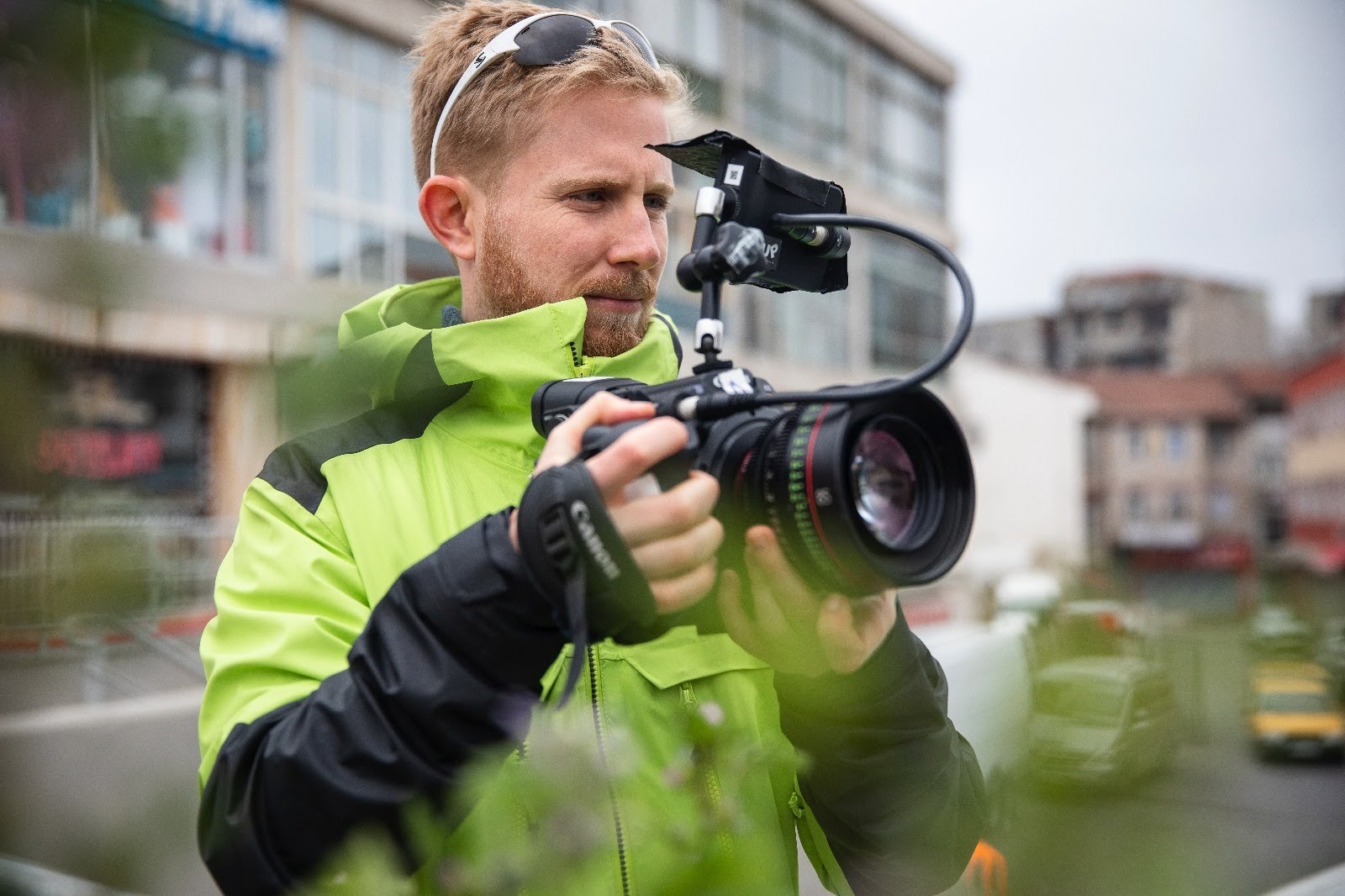
Cinematic action sports videos rely heavily on powerful visuals. Mastering composition and framing will make your shots more immersive. Experiment with different angles, focal lengths, and camera movements to find the most dynamic compositions. Use the rule of thirds, leading lines, and symmetry to guide your framing.
Low angles make athletes look powerful. Wide shots show scale and environment. Tight close-ups on hands, feet, or faces add emotion. Mix all three and your video will feel alive. For a deeper understanding of how different camera angles and shot types affect your storytelling, check out my full guide.
4. Use cinematic camera techniques when shooting action sports
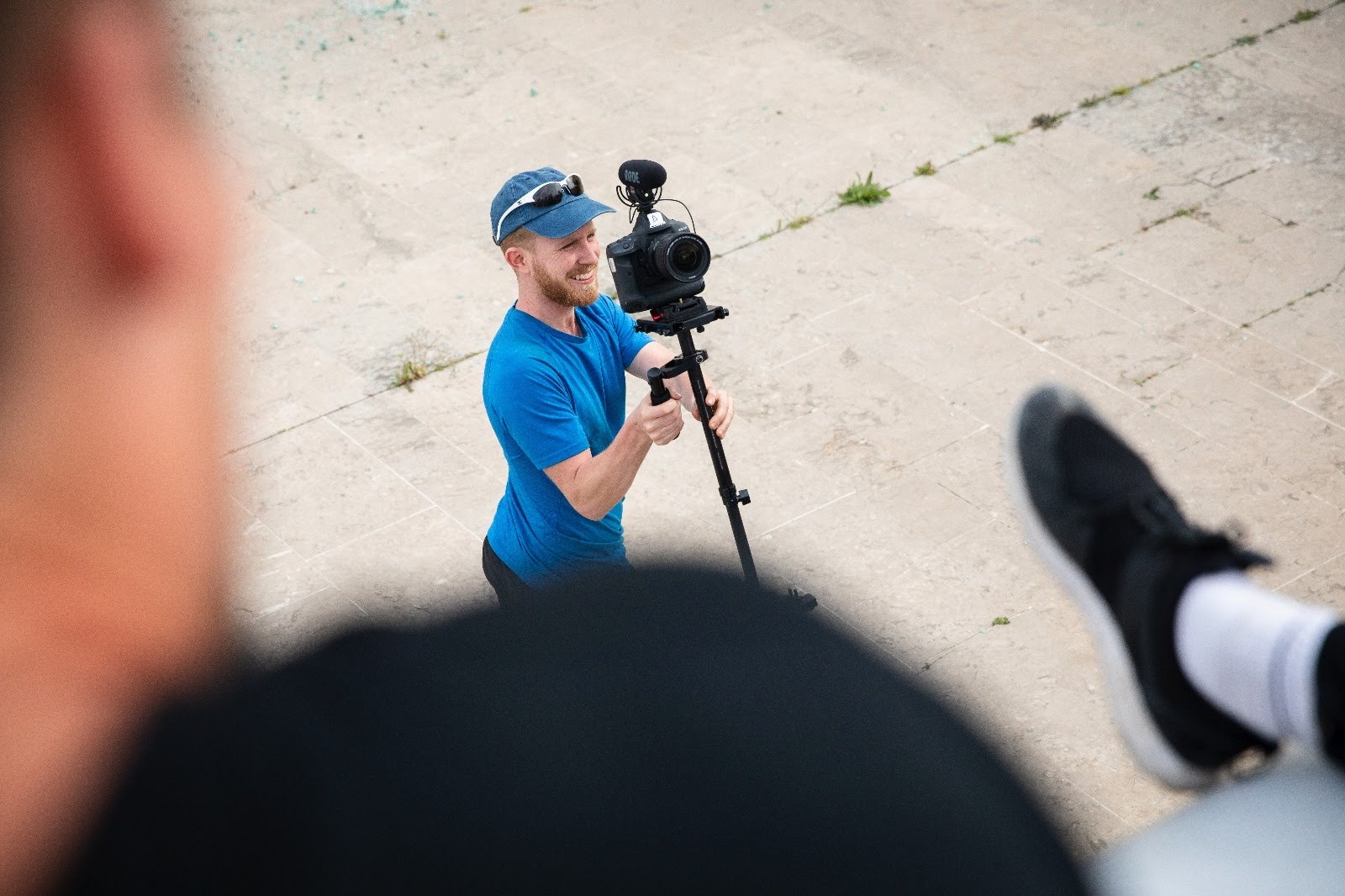
To capture the intensity of action sports, you'll need to employ a range of cinematic camera techniques. These include slow-motion, tracking shots, aerial drone footage, and point-of-view shots. A variety of camera movements and perspectives will keep your audience engaged and showcase the sport from different angles.
A gimbal is one of my favourite tools for action sports. It lets you follow an athlete through complex terrain while keeping the footage smooth. Pair that with handheld shots for raw, high-energy moments and you get a nice contrast in your edit.
5. Focus on lighting when filming action sports scenes
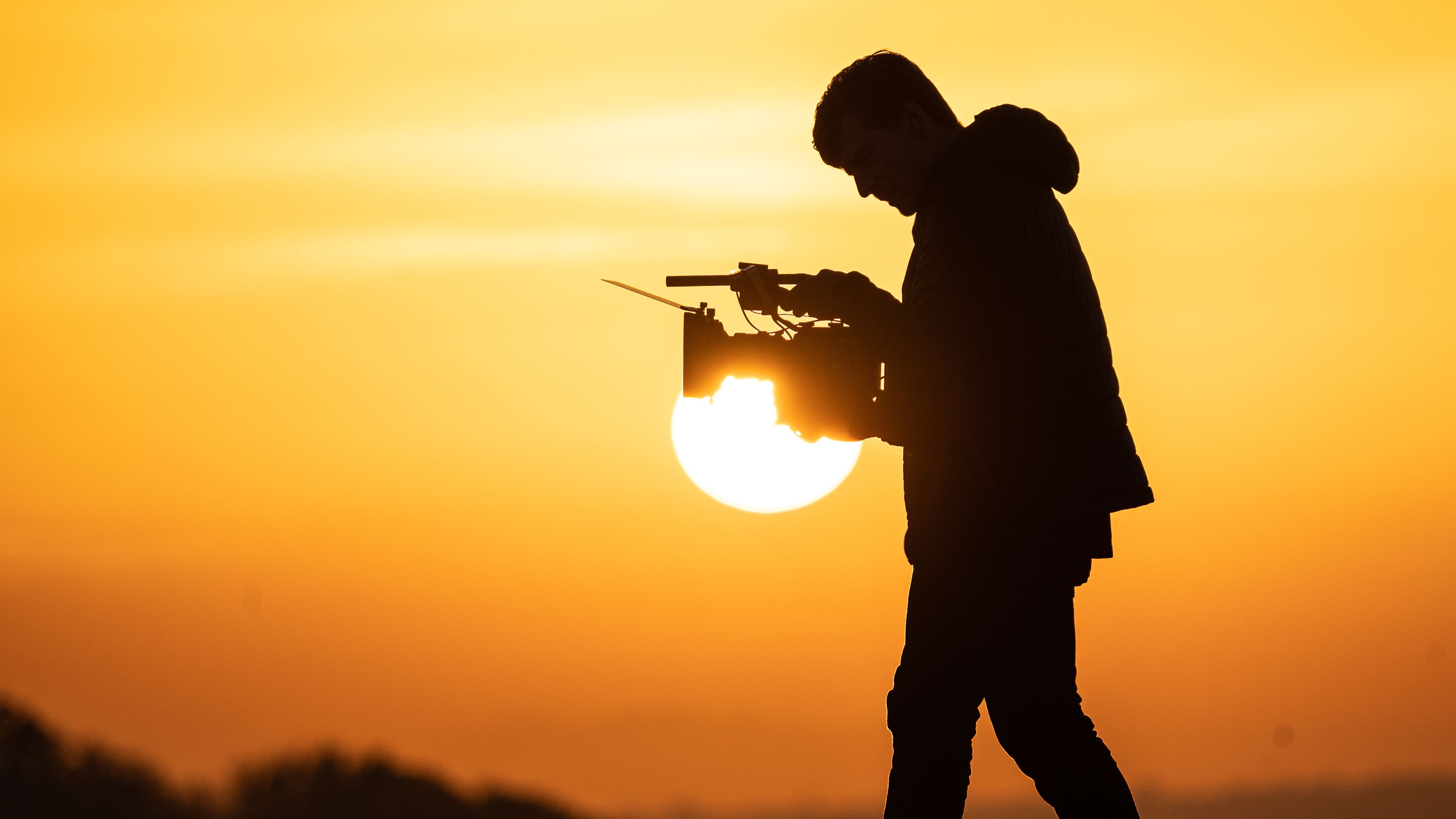
Lighting plays a huge role in creating a cinematic look. Use natural light effectively, and plan your shots around the best times of day for optimal lighting conditions.
I try to avoid filming in the middle of the day when possible, because harsh overhead light creates unflattering shadows on the subject. Instead, I love to film at sunrise and sunset, also known as golden hour, because the warm, soft light during these times creates a magical and cinematic atmosphere. The long shadows and diffused light enhance the visual depth and texture of the scene, making the action and emotions of the athletes truly come alive on screen.
6. Capture high-quality audio and invest in sound design
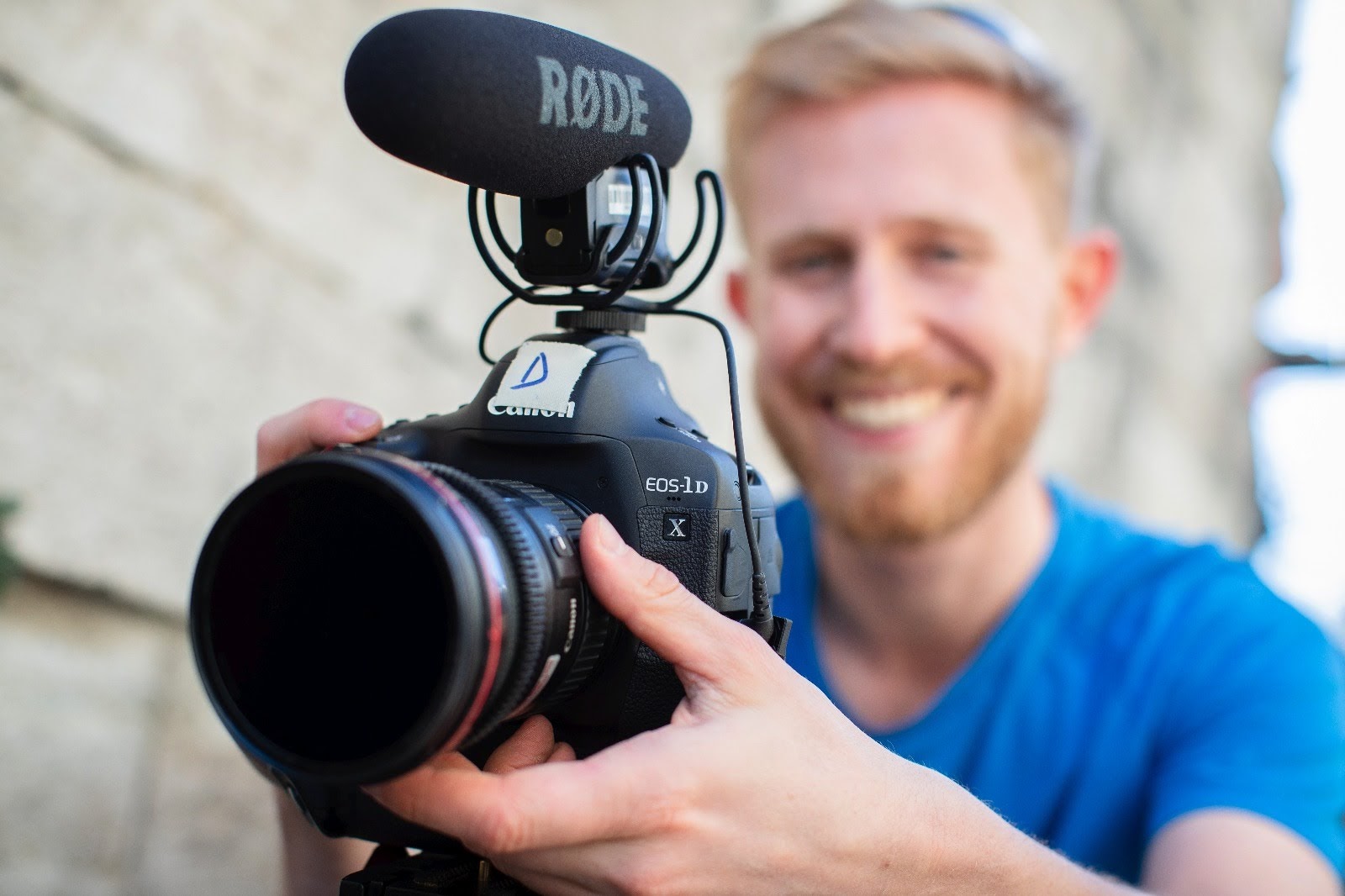
The sounds of action sports can be just as thrilling as the visuals. Sound is 50% of the viewing experience. Invest in high-quality audio equipment to capture the sounds of the sport, the athletes' reactions, and the energy of the crowd.
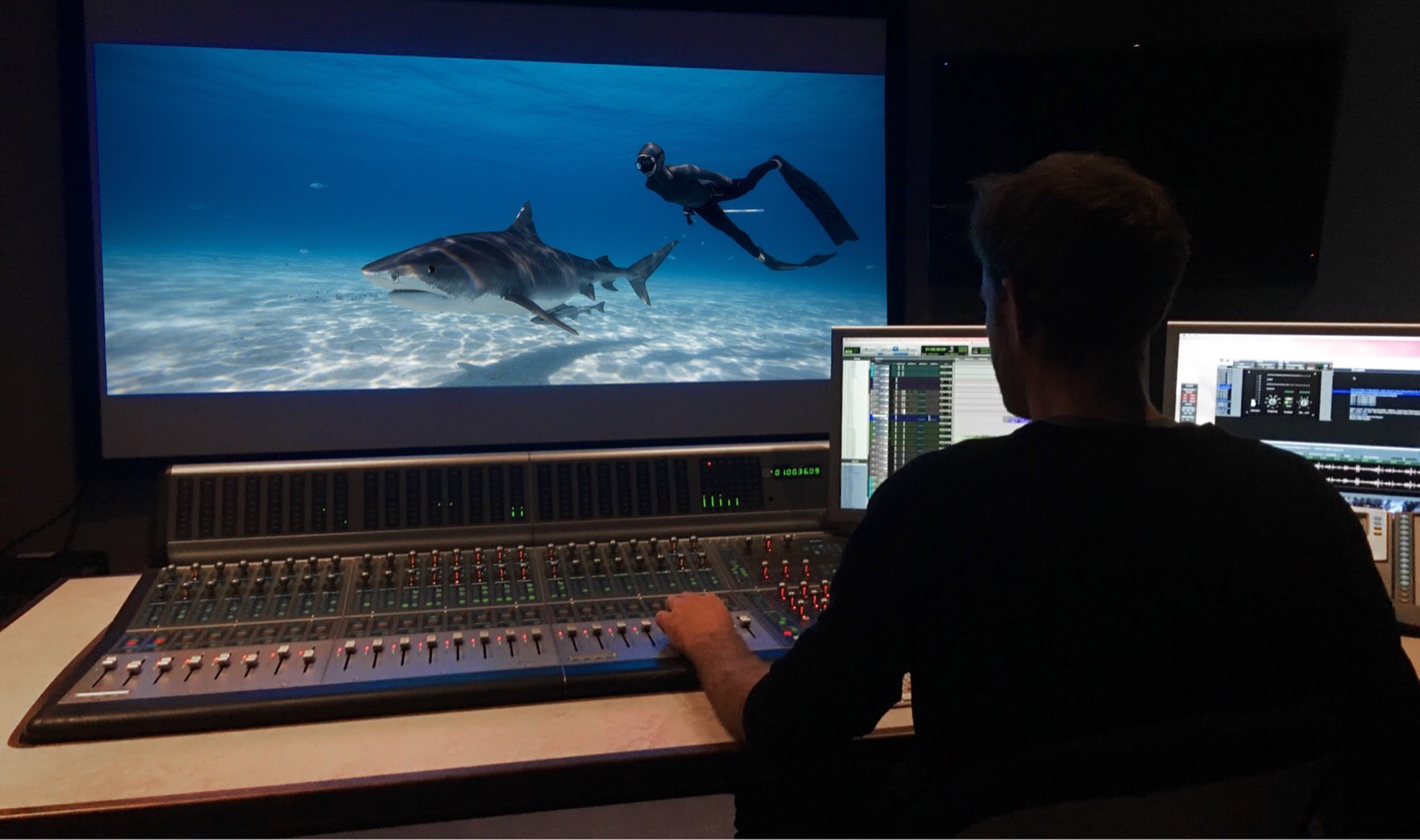
In post-production, layer your audio tracks to create a rich soundscape that enhances the overall viewing experience. Spending time on sound design will make your film feel more cinematic, allowing the audience to fully immerse themselves in the action.
7. Pay attention to pacing and rhythm when editing action sports videos
Cinematic action sports videos should have a strong sense of pacing and rhythm. Edit your footage to create a dynamic pace that complements the energy of the sport, using a mix of quick cuts and longer, more contemplative shots. Consider the rhythm of the music and the beats of the action when making your editing decisions.
8. Choose the right music and collaborate with athletes
Music is a powerful tool that sets the tone and evokes emotion in your action sports video. Choose a soundtrack that complements the visuals and enhances the narrative. Consider working with a composer for an original score, or license tracks from sites like Music Bed, Artlist, or Epidemic Sound.
Working closely with athletes can also make a huge difference. They know their sport better than you do. They can tell you when a move is about to happen, suggest locations, and help you capture authentic moments that a camera operator alone would miss.
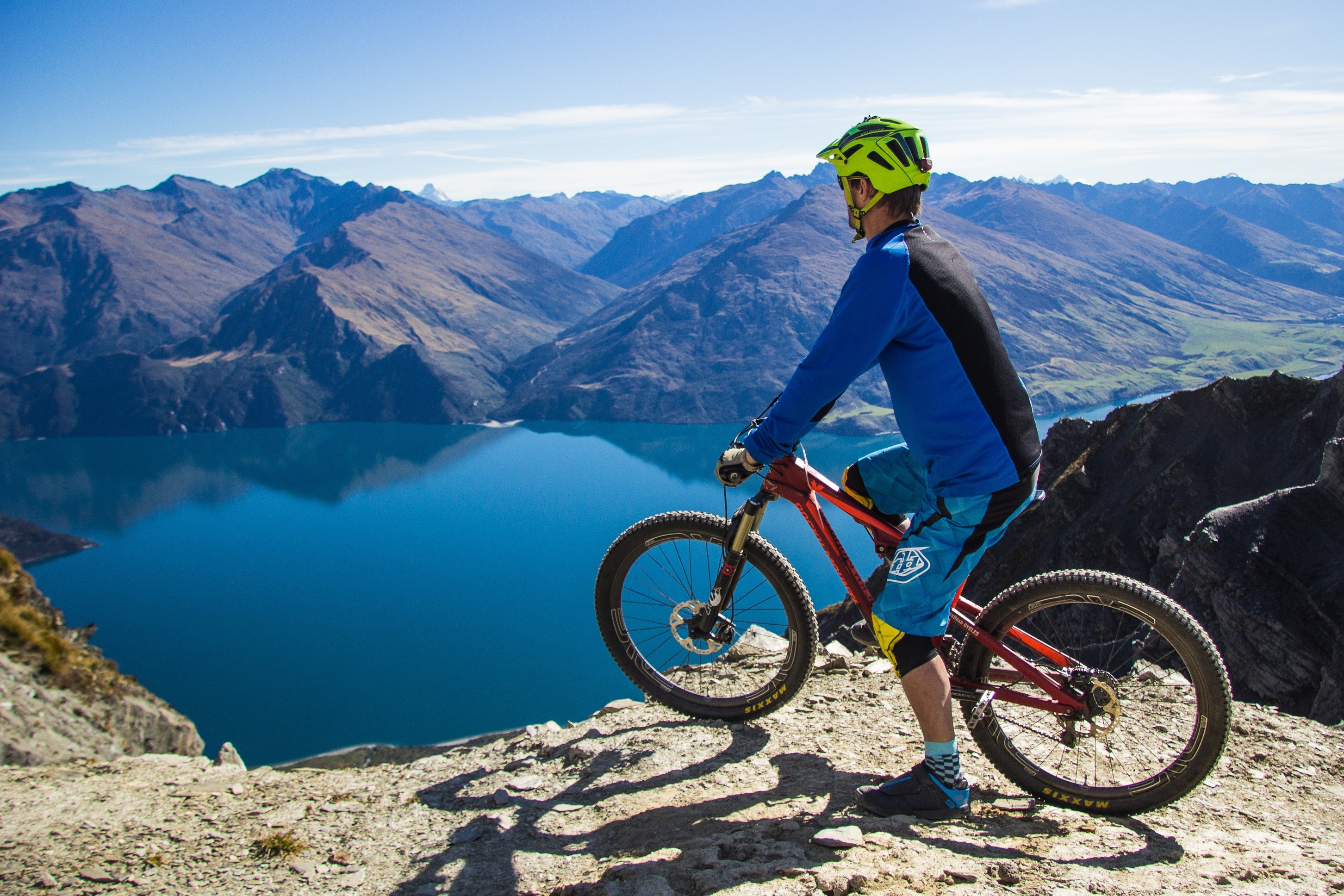
Best Video Settings for Action Sports
To capture the thrill of action sports, your camera settings need to be right. Here's what works for me after years of trial and error:
Frame rate: Shoot at 60fps or higher. This gives you smooth video and the option for slow-motion playback that reveals the beauty of complex athletic movements. I often shoot at 120fps for the hero slow-motion shots.
Shutter speed: Set your shutter speed to at least double your frame rate. At 60fps, that means 1/120th of a second or faster. This minimises motion blur and keeps every frame sharp.
Aperture: For fast-moving athletes, shoot at f/5.6 to f/8 for a greater depth of field. This gives you more room for focus errors. When I want a shallow depth of field for a stylised shot, I'll open up to f/2.8 and rely on autofocus tracking.
ISO: Adjust your ISO for the ideal balance of light sensitivity and image quality. Be prepared to change this frequently if you're filming outdoors where conditions shift fast.
Lens choice: Wide-angle lenses (16-35mm) give your viewers a sense of immersion. Telephoto lenses (70-200mm) compress the background and isolate the athlete. Carry both if you can.
Autofocus: Use a fast, responsive autofocus system to keep up with unpredictable movements. For scenes with predictable action (like a skateboarder always hitting the same ramp), switch to manual focus for the sharpest results. Check your cinematic camera settings before every shoot.
What Makes a Great Action Sports Video?
A great action sports video captures the adrenaline and artistry of the sport through stunning visuals, dynamic editing, and immersive storytelling. It showcases the athletes' skills with crisp, high-frame-rate footage that allows for smooth slow-motion replays of breathtaking moments.
Creative camera angles, drone footage, and POV cameras bring the audience into the heart of the action. But the best sports videos go beyond the stunts. They weave together the athletes' challenges, triumphs, and the culture behind the sport into a story that resonates emotionally.
The soundtrack matters too. Music and natural soundscapes enhance the mood and pacing, making viewers feel like they're part of the experience, not just watching it.
Creating Cinematic Action Sports Videos
Creating a cinematic action sports video takes technical skill, artistic vision, and genuine passion for the sport. By focusing on strong storytelling, powerful visuals, and immersive audio, you can craft a thrilling experience that captivates your audience. Keep these elements in mind as you plan your next action sports shoot.
Action Sports Filming FAQ
What camera settings are best for action sports?
Shoot at 60fps or higher for smooth slow-motion. Set your shutter speed to double your frame rate (1/120 at 60fps). Use f/5.6 to f/8 for a safe depth of field, and keep your ISO as low as conditions allow. A fast autofocus system and a telephoto lens (70-200mm) will help you track athletes from a distance.
How do you film fast-moving athletes without motion blur?
Use a fast shutter speed, at least 1/250 for most action sports. This freezes the movement and keeps each frame sharp. Some filmmakers go even faster (1/500 or 1/1000) for extremely fast sports like downhill mountain biking or motorsport. If you want a slightly cinematic blur, 1/120 at 60fps is a good middle ground.
What is the best frame rate for sports video?
60fps is the standard starting point for action sports. It gives you smooth playback and the option to slow footage down to 40% speed on a 24fps timeline. For dramatic slow-motion, 120fps or 240fps gives you even more flexibility. For narrative or storytelling sections, 24fps creates a more cinematic feel.
Do you need a gimbal for action sports filming?
Not always, but a gimbal makes a big difference for tracking shots where you're following an athlete through terrain. Handheld works well for raw, high-energy footage. Many action sports filmmakers switch between gimbal, handheld, and tripod depending on the shot. I use a gimbal for about 40% of my action sports work.
Free Documentary Filmmaking Training
If you want more value-packed filmmaking tips like in this blog, I've put together a free documentary training video where I share how I make cinematic documentaries.
Click here to sign up and get instant access.