Best Documentary Cameras 2026: Buying Guide for Filmmakers
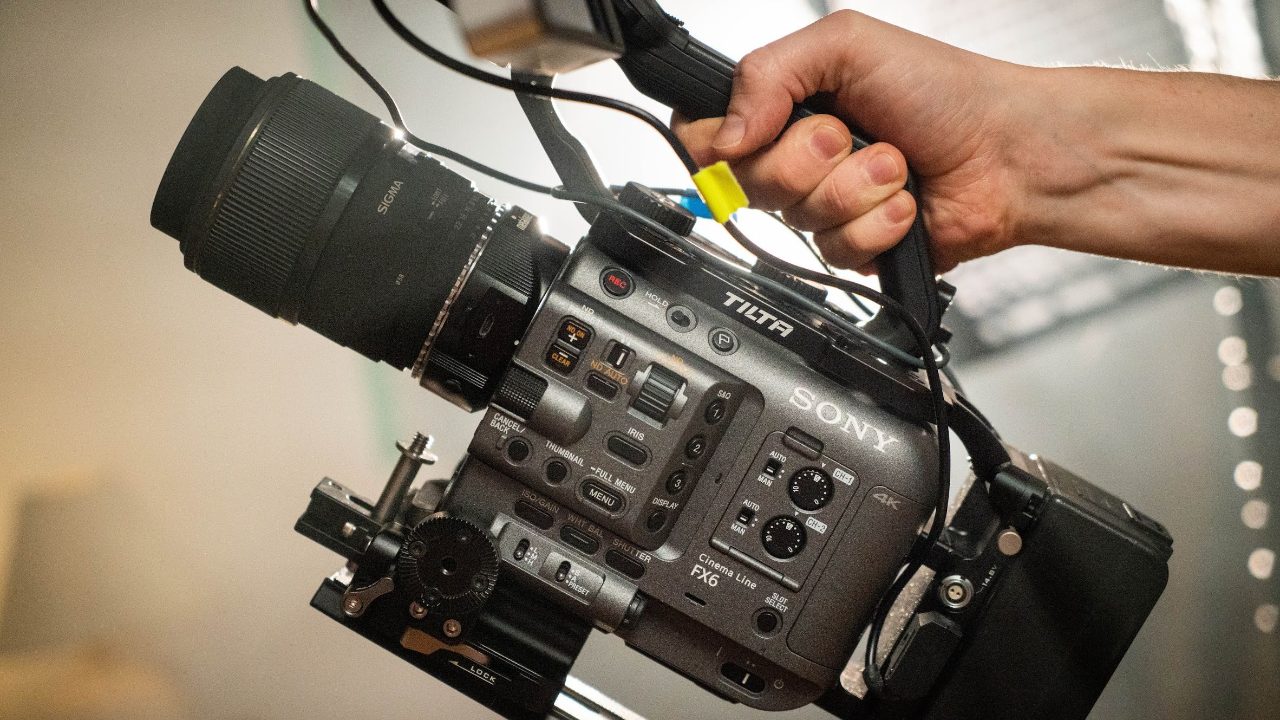
In short: There's no single best camera for documentary filmmaking. For most independent filmmakers, a mirrorless camera like the Sony FX3, Sony A7S III or Panasonic S5 IIX offers the best mix of image quality, portability and price, with a smartphone a good option on a tight budget.
I've shot documentaries on everything from a phone to a cinema camera, and each project taught me something about what actually matters. Spoiler: it's not always the most expensive option.
The best documentary camera balances image quality, portability and audio, so you can focus on your story instead of fighting your gear. For a printable reference, grab my free documentary camera guide.
Key Considerations for Documentary Cameras
Your camera is a storytelling tool that shapes how your audience experiences the film. Here's what to weigh up.
Image Quality
- Resolution: Pick a camera that shoots at least Full HD (1080p). For cinema-grade quality, look at 4K or higher. The Sony FX3 and Canon R6 Mark II shoot crisp 4K across a range of budgets.
- Dynamic range: This is how well your camera handles bright highlights and deep shadows in the same frame. A wide dynamic range keeps more detail in both. Blackmagic cameras and Sony's FX line are known for it.
- Low-light performance: Documentaries often happen in places you can't control, like a protest at night, an interview in a dim room or wildlife at dusk. Full-frame sensors (like the Sony A7S III) tend to perform best here.
Audio Quality
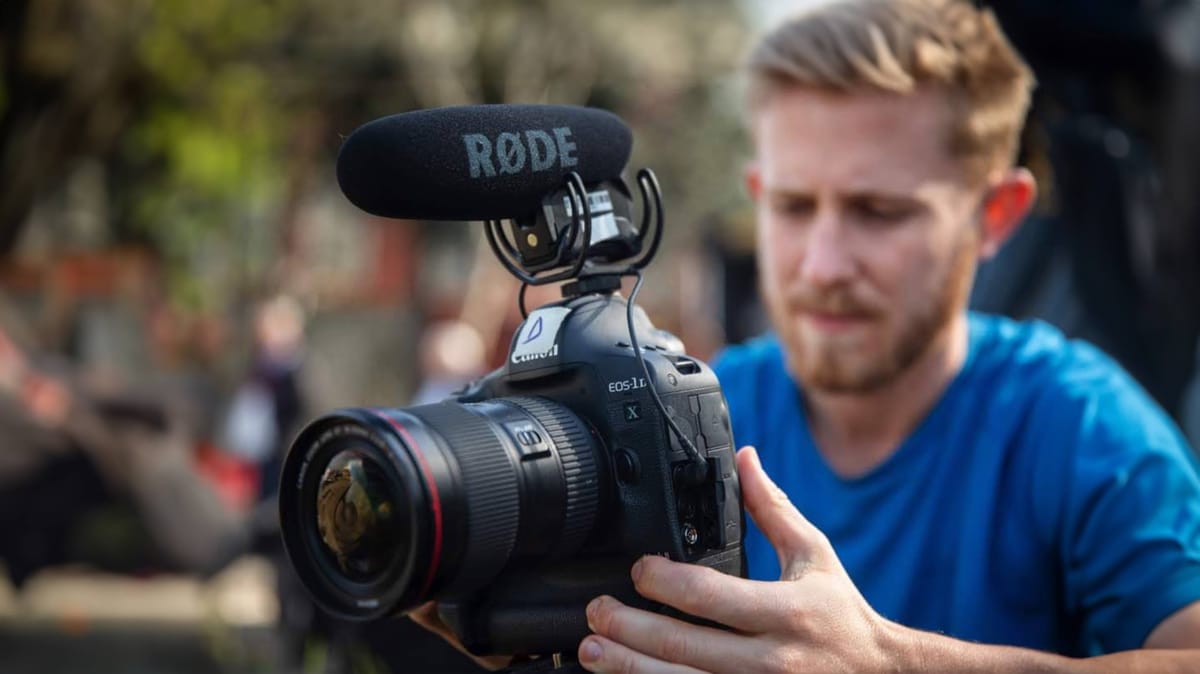
- Built-in microphones: They rarely deliver broadcast-quality sound, so plan to use an external mic for interviews and dialogue-heavy docs.
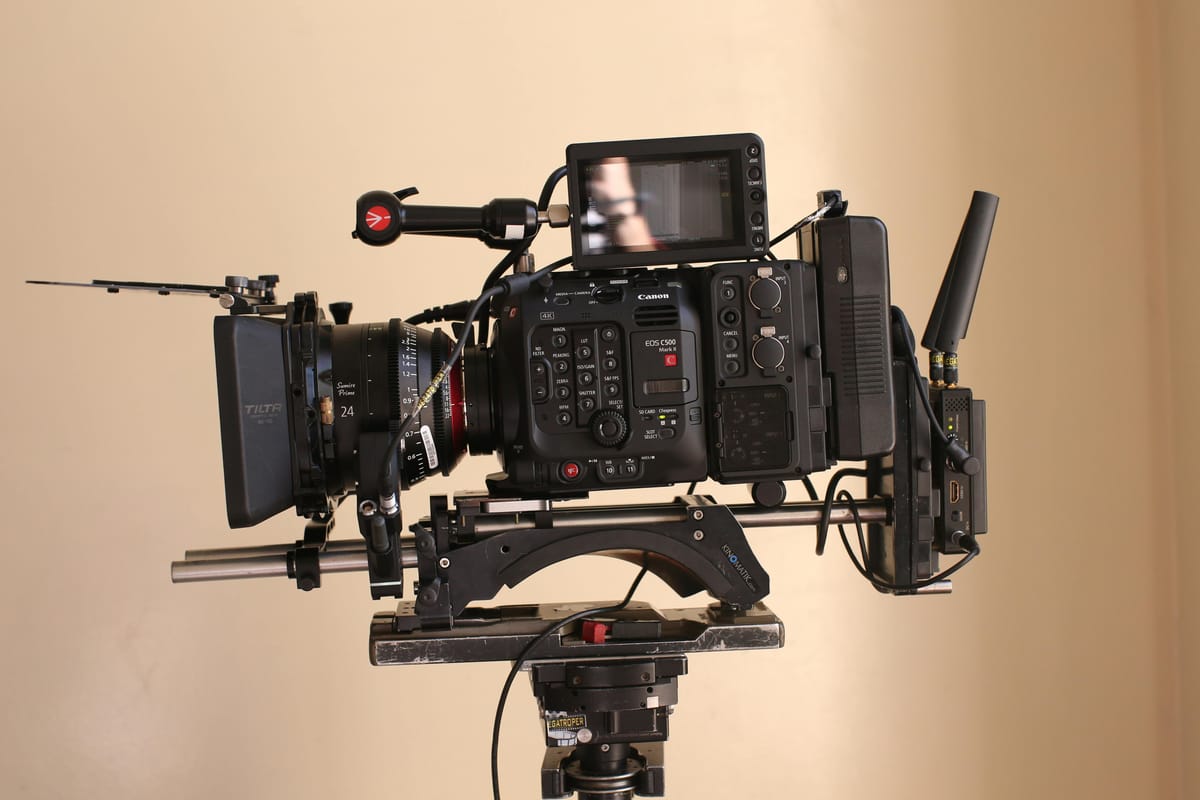
- External microphone support: Look for a 3.5mm mic jack at minimum. An XLR input is a big plus: professional options like the Canon C70 and Sony FX6 offer XLR inputs with phantom power for shotgun and lavalier mics. Good audio is half the story in any documentary.
For the bigger picture, my guide on how to make a documentary takes you from idea to finished film.
Form Factor and Portability
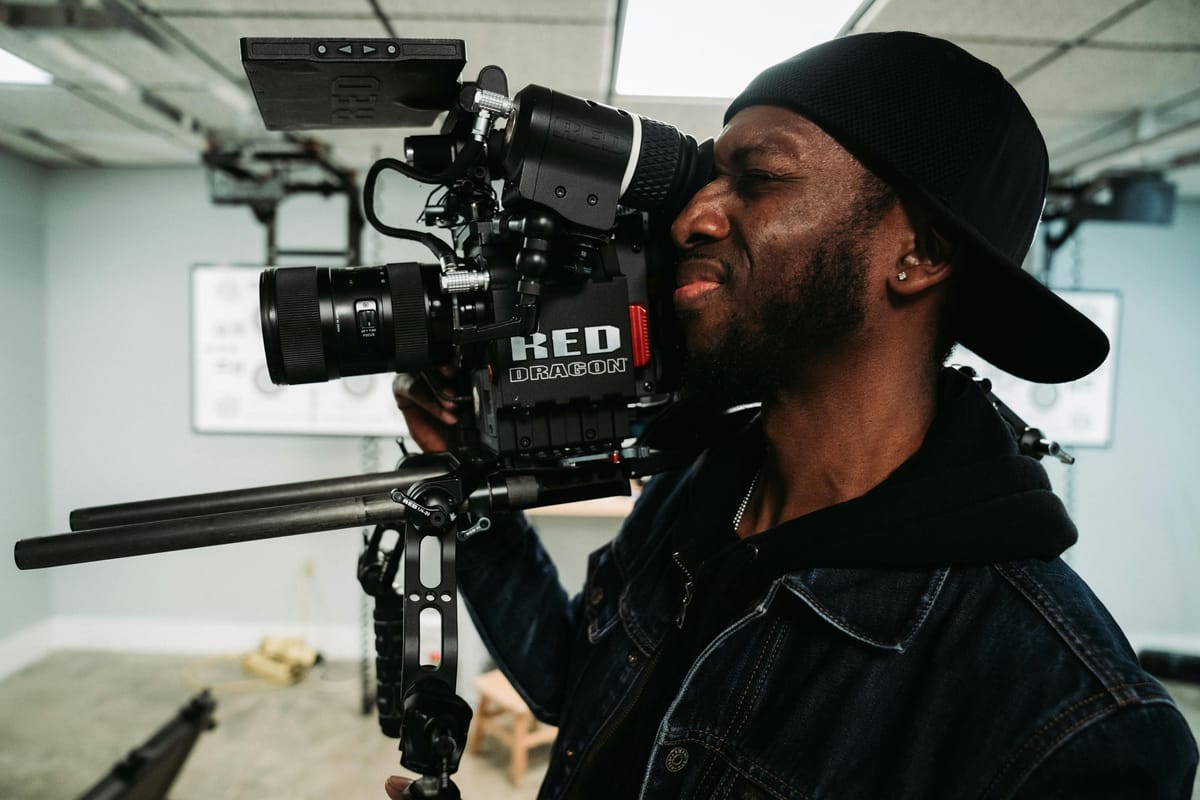
- Size and weight: If you're shooting run-and-gun or travelling to remote locations, a compact mirrorless camera will serve you better than a heavy cinema rig. Think about how long you'll be hand-holding it on a typical shoot day.
- Ergonomics: Check the grip, button layout and screen tilt. A camera that feels natural in your hands means less fatigue and more focus on your subject.
Features That Matter for Documentaries
- Stabilisation: In-body image stabilisation (IBIS) keeps handheld footage smooth without a gimbal. The Sony A7S III and Panasonic S5 IIX both have strong IBIS.
- Battery life: Long shoots need long-lasting batteries, or a budget for spares.
- Autofocus: Without a focus puller, reliable autofocus is essential. Sony's real-time eye AF and Canon's Dual Pixel AF are top performers for documentary work.
- Slow motion and time-lapse: These add visual variety without extra gear. Check which frame rates your camera supports at the resolution you need.
Budget: Balancing Cost with Quality
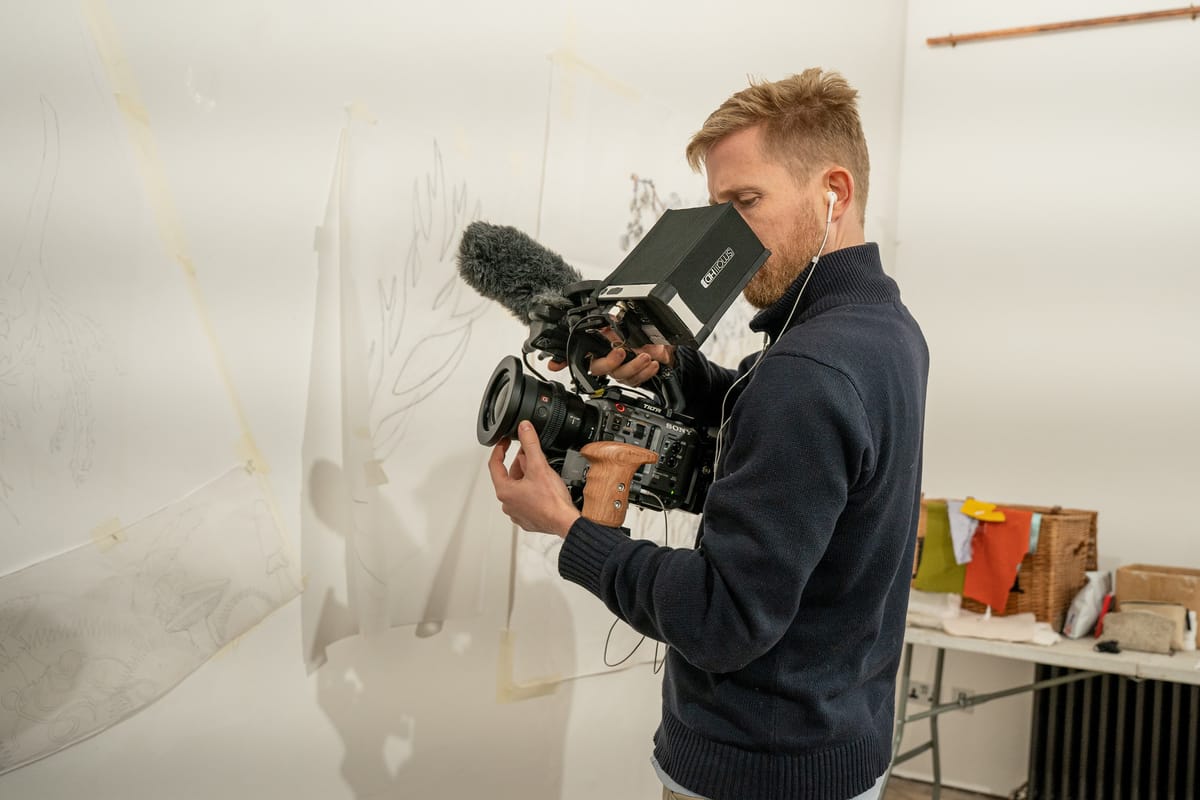
- Value over price tag: Mid-range cameras like the Panasonic S5 IIX or Fujifilm X-H2S deliver excellent results for documentary work. You don't need the most expensive camera to tell a powerful story.
- Future-proofing: Choose a camera that meets your needs now but leaves room to grow. Interchangeable lenses and firmware updates help a camera last longer than one locked into a single configuration.
Types of Documentary Cameras
There are three main categories, and each has trade-offs.
Mobile Phones
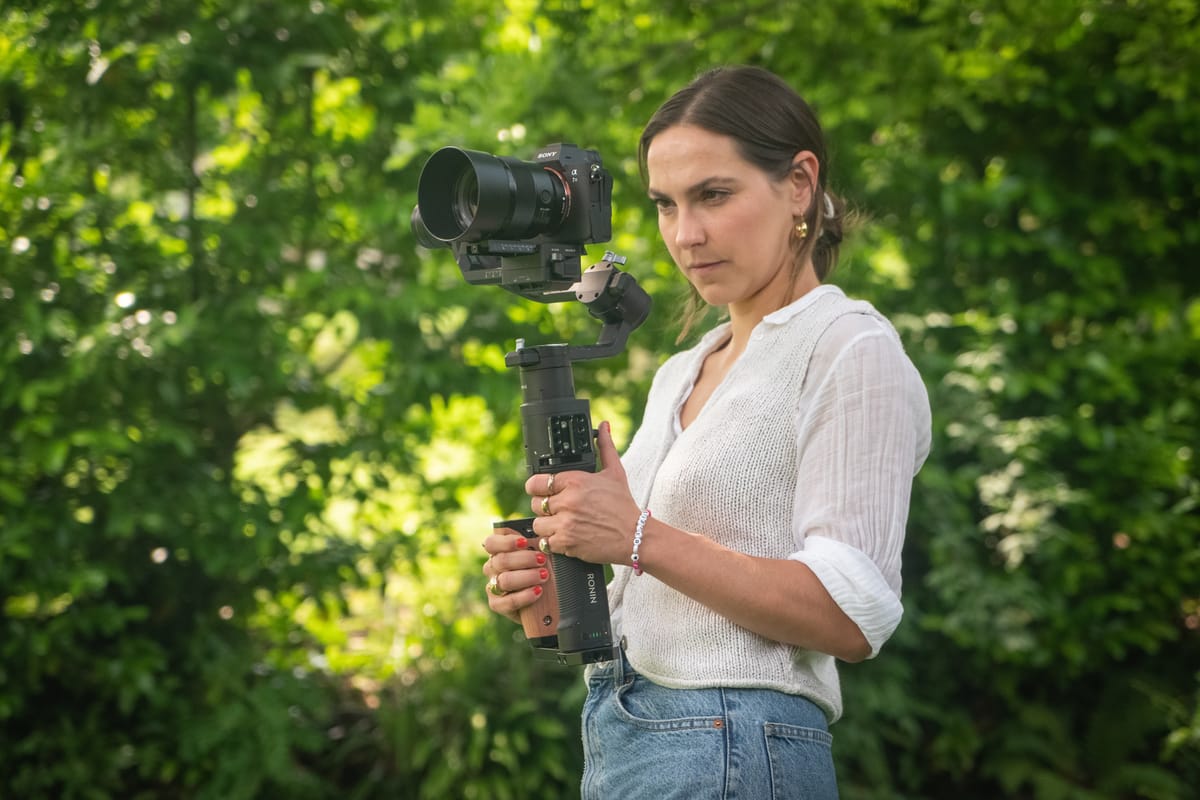
Your phone is the most accessible documentary camera you own. Modern smartphones shoot 4K video with built-in stabilisation and good autofocus, which makes them ideal for spontaneous moments, shooting undercover or working on a tight budget.
The trade-offs: smaller sensors mean weaker low-light performance, limited dynamic range and less control over depth of field. To get the most from yours, read my guide to filming cinematic footage on your phone.
Mirrorless Cameras
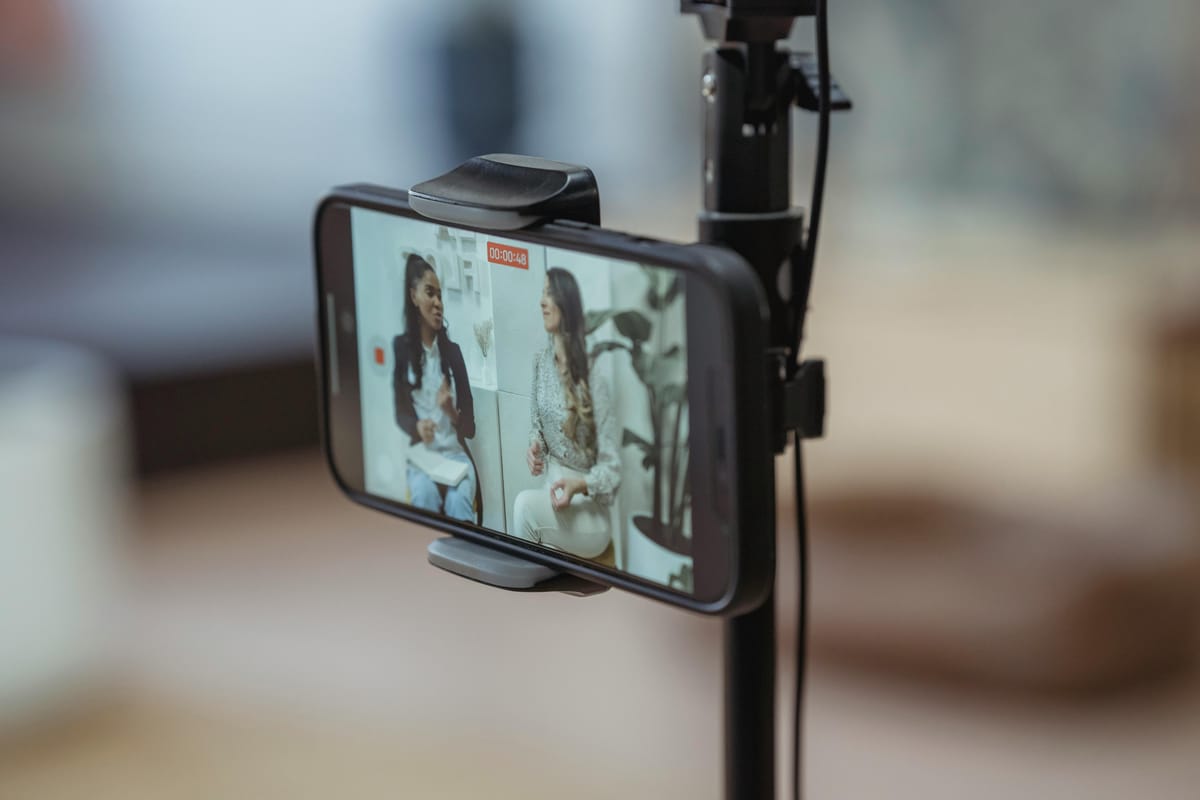
Mirrorless cameras are the most popular choice for documentary filmmakers right now. They're compact, shoot high-quality video and take interchangeable lenses. Popular options include the Sony A7S III, Sony FX3, Panasonic S5 IIX and Canon R6 Mark II.
The Sony FX3 stands out. It gives you cinema-camera features (S-Log3, 10-bit 4:2:2, full-frame sensor) in a small body designed for solo shooters. The Panasonic S5 IIX is a strong budget pick with excellent stabilisation and no recording limits.
Cinema Cameras
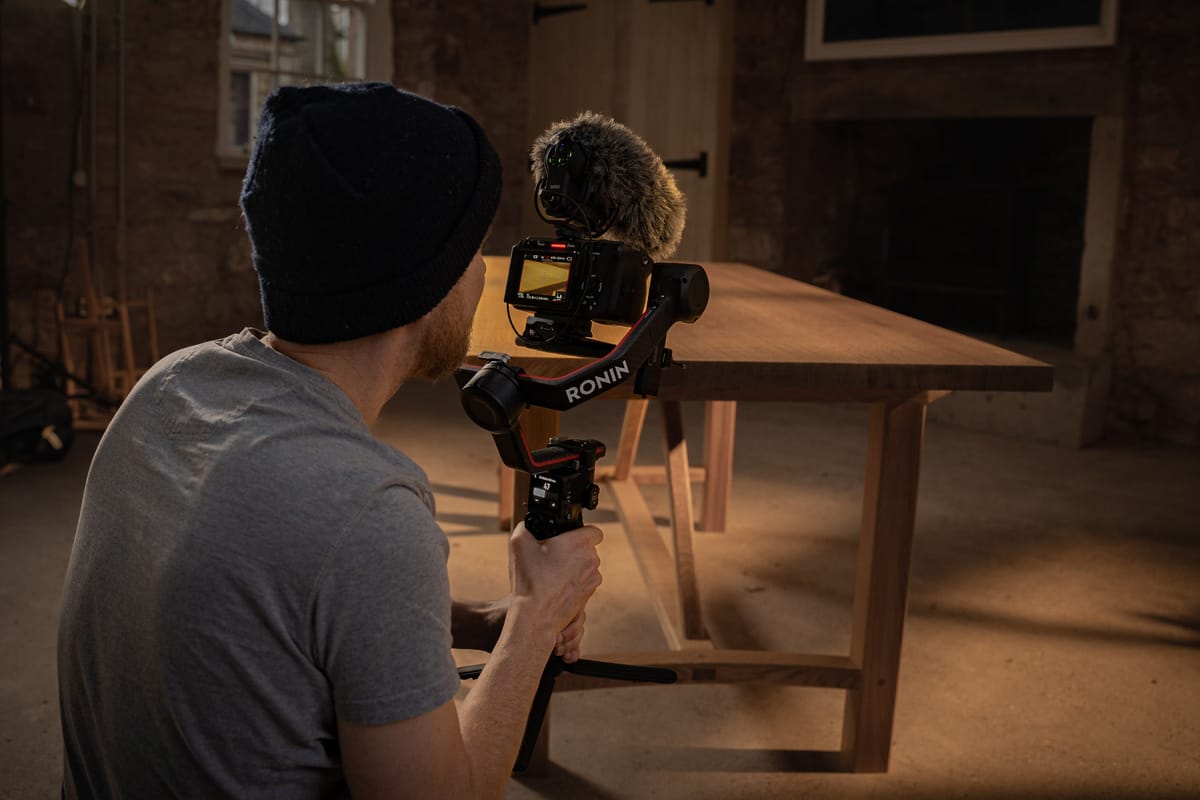
For high-end productions that need the best possible image, cinema cameras are the top tier. The Canon C70 and Sony FX6 offer 10-bit (or higher) recording, RAW options and wide dynamic range.
The catch: they cost more, weigh more and have a steeper learning curve. They suit filmmakers with strong technical skills on projects where production value is a priority. If you're filming a documentary on your own, a smaller rig is usually more practical.
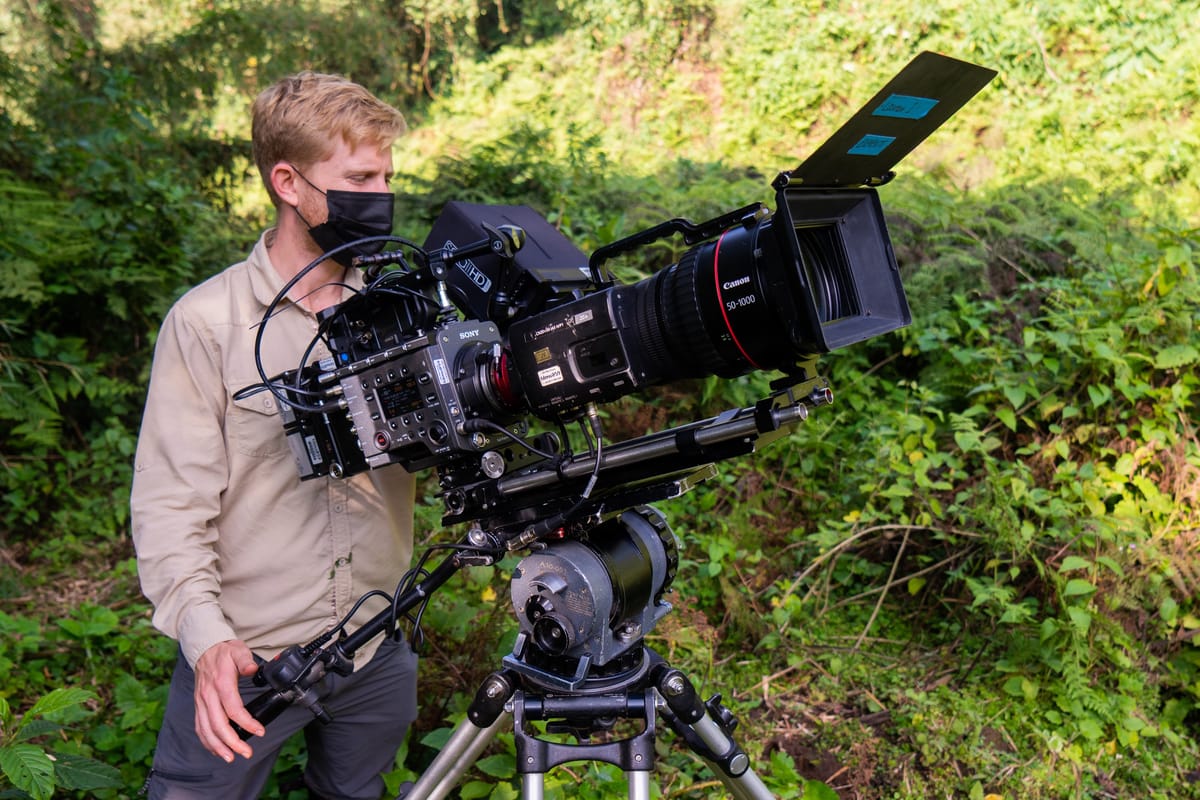
Choosing the Right Camera for Your Documentary
Match the Camera to Your Story
Your story should drive your camera choice. Filming in tight, dark spaces like a cave calls for a small camera with strong low-light performance. Interviews in a house with big windows call for wide dynamic range, so the indoor and outdoor light stay balanced without losing detail.
Think about the shot types and camera angles you'll need before you buy.
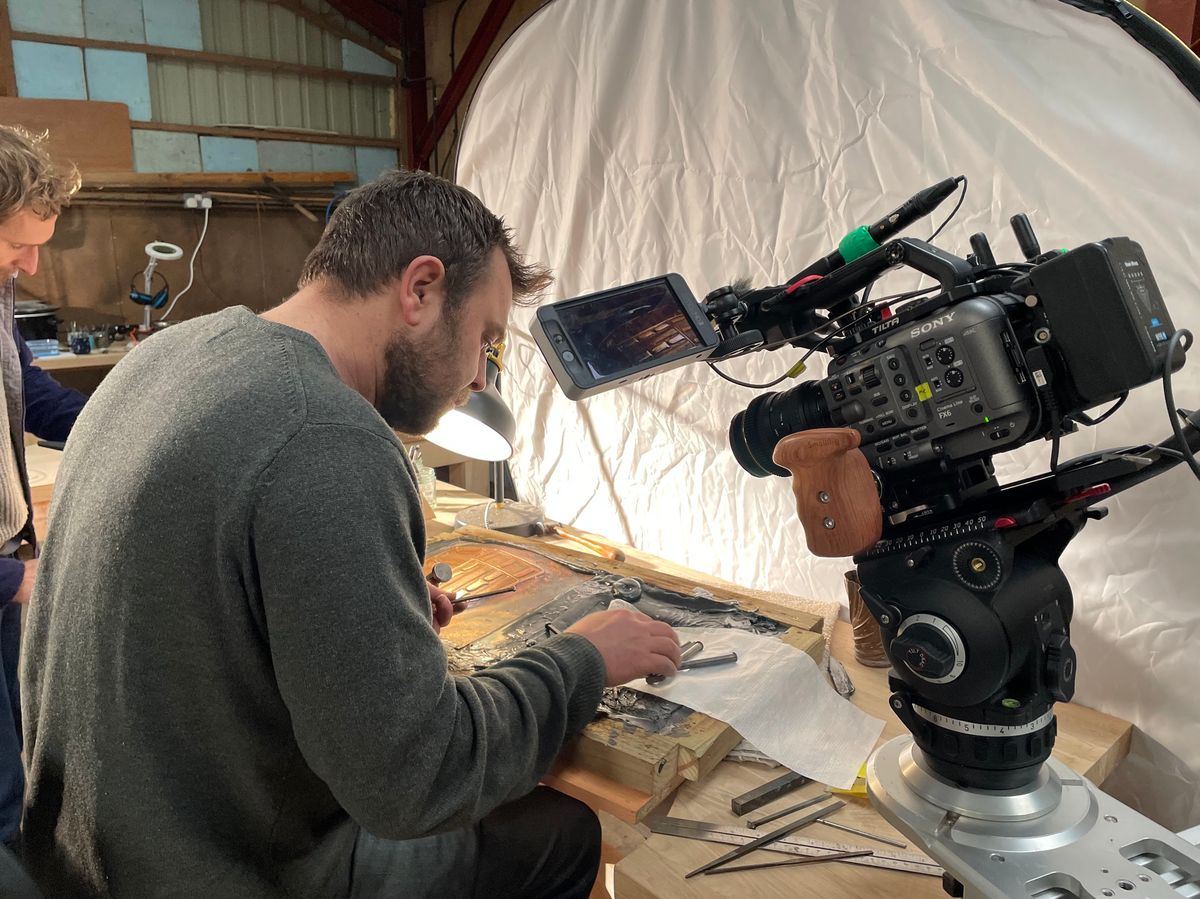
Consider Your Experience Level
If you're new to filmmaking, pick a camera with a user-friendly interface and solid automatic settings, so you can focus on your subject. As your skills grow, switch to manual controls for more creative freedom. My documentary filmmaking tips for beginners will help you get started.
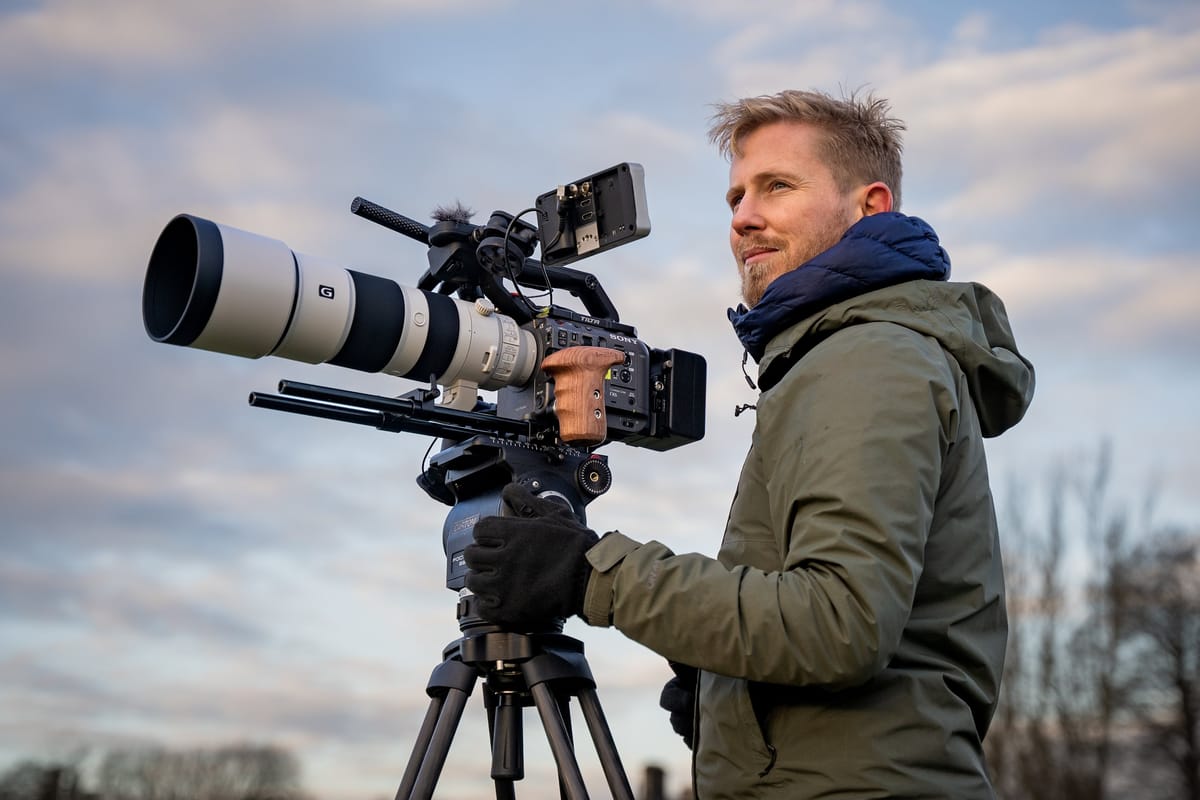
Rent Before You Buy
Whenever you can, rent or borrow a camera before committing. A weekend of real shooting tells you more than any spec sheet. Notice how it feels in your hands, how quickly you can change settings and how the footage looks in your editing software.
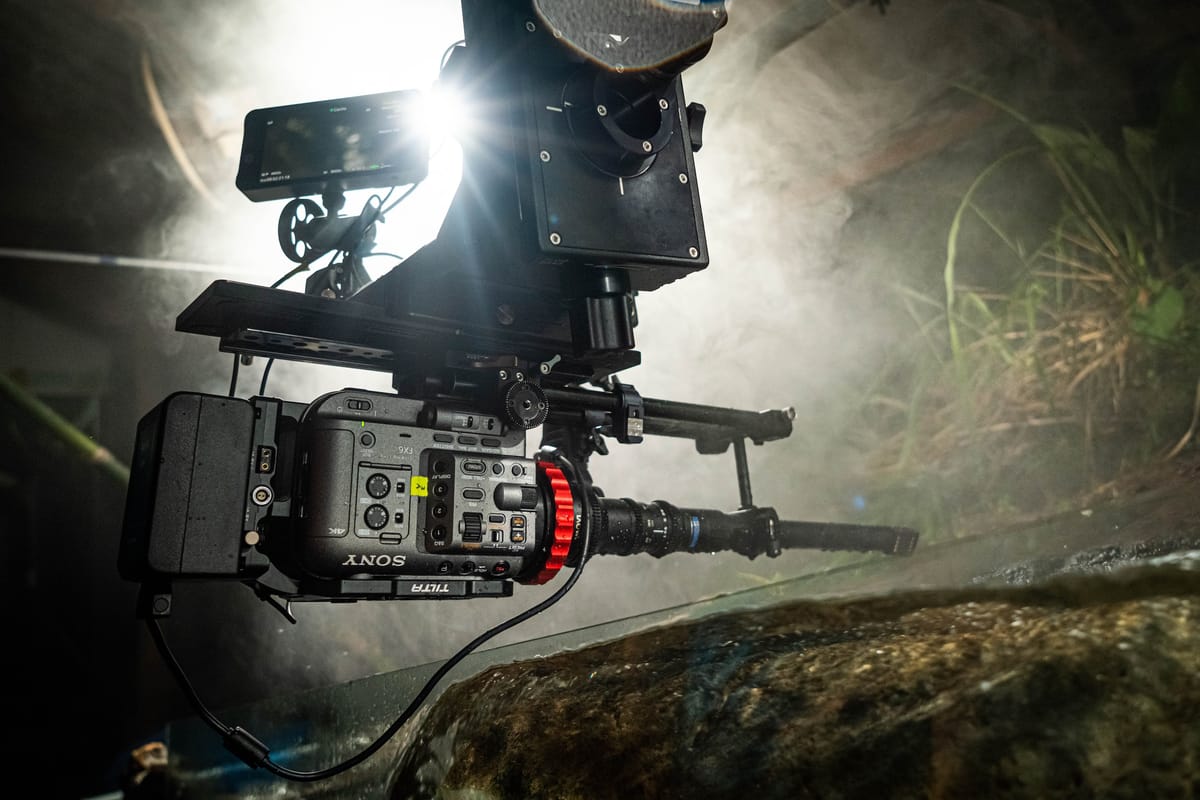
The right camera isn't the one with the highest specs, it's the one that fits your story, your shooting style and your budget.
Documentary Camera FAQ
What camera is best for documentary filmmaking?
There's no single best camera for every documentary. For most indie filmmakers, a mirrorless camera like the Sony FX3, Sony A7S III or Panasonic S5 IIX offers the best mix of image quality, portability and price. On a tight budget, a smartphone can produce surprisingly strong results, and for high-end productions, the Canon C70 or Sony FX6 give you the most creative control.
What equipment do I need to film a documentary?
At minimum: a camera, an external microphone (shotgun or lavalier), a tripod or stabiliser, spare batteries and memory cards. A portable LED light helps in tricky conditions. Start simple and add gear as your projects grow.
Can you shoot a documentary on a phone?
Yes. Modern smartphones shoot 4K video with stabilisation and autofocus, and several award-winning documentaries have been shot entirely on phones. Pair yours with an external microphone and learn to work within its limits in low light and depth of field.
How much should I spend on a documentary camera?
You can start for free with a smartphone. Budget mirrorless cameras like the Sony ZV-E1 or Canon R50 start around $1,500, mid-range options like the Sony A7S III sit around $2,500, and professional cinema cameras range from $3,000 to $15,000+. Spend based on your project's needs, not the highest spec sheet.