How to Get Your Documentary Into Film Festivals (5 Tips)

In short: To get a documentary into film festivals, polish the film first, then plan which festivals to target, aiming for the big names before regional and niche ones. Build a strong submission package, network with programmers, submit early to save on fees and keep going after rejection.
The first time I submitted a documentary to film festivals, I had no strategy and no idea what I was doing. I sent it to a handful of big names, crossed my fingers and waited. The rejections stacked up fast, and it took a few rounds (and a lot of wasted submission fees) to work out what actually works.
Festivals open doors to distribution, networking, press coverage and future funding. But with thousands of submissions competing for limited slots, you need more than a good film. Here are five strategies that make the difference.
To help you choose where to submit, I've put together a guide to the best documentary film festivals.
1. Define Your Festival Strategy Early
Before you submit anywhere, get clear on which festivals you want to target. The right choice can shape your film's whole trajectory.
Start with the Big Names
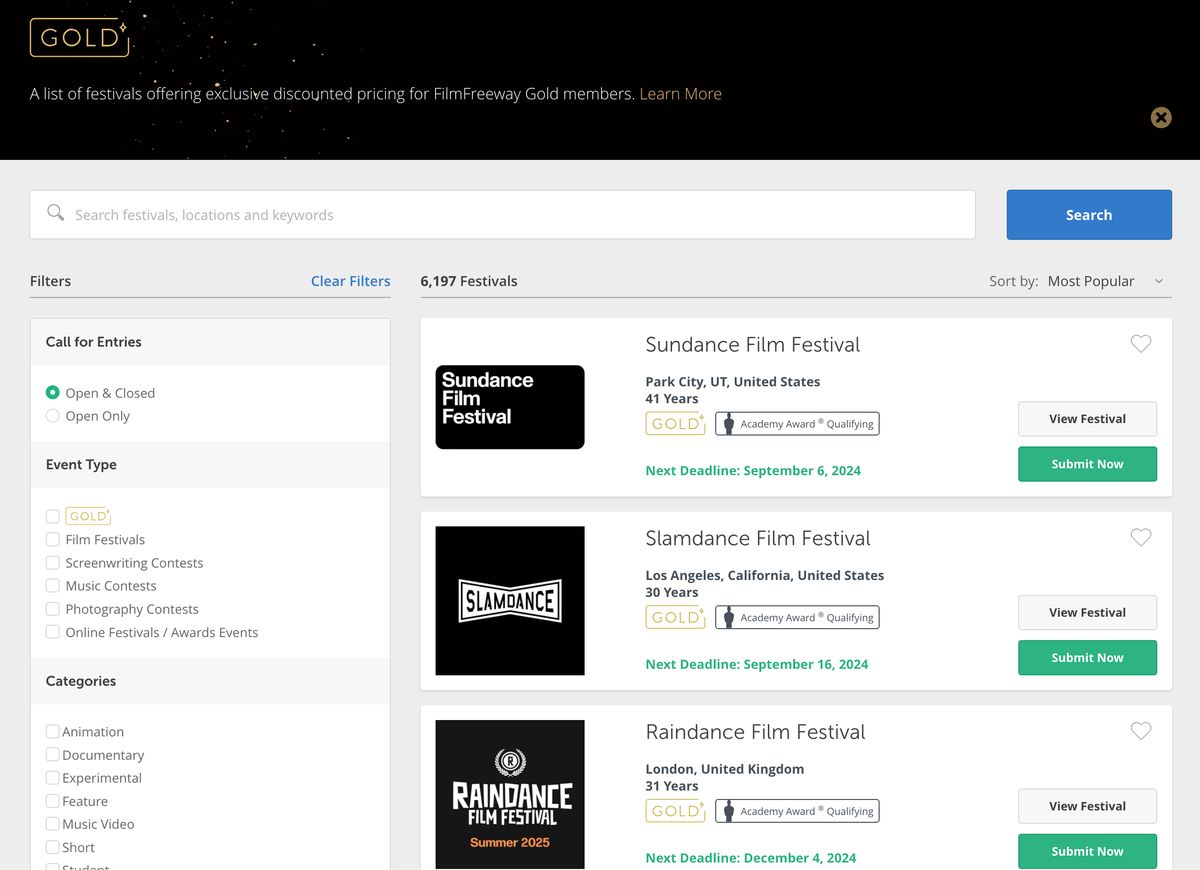
Every documentary gets one shot at a world premiere. Major festivals like Sundance, Tribeca, IDFA and Hot Docs are highly selective, but they offer the most exposure.
If your film hasn't premiered yet, aim high first. These festivals often require that your film hasn't screened elsewhere, so submitting to a smaller festival first could rule you out.
Research Regional and Niche Festivals
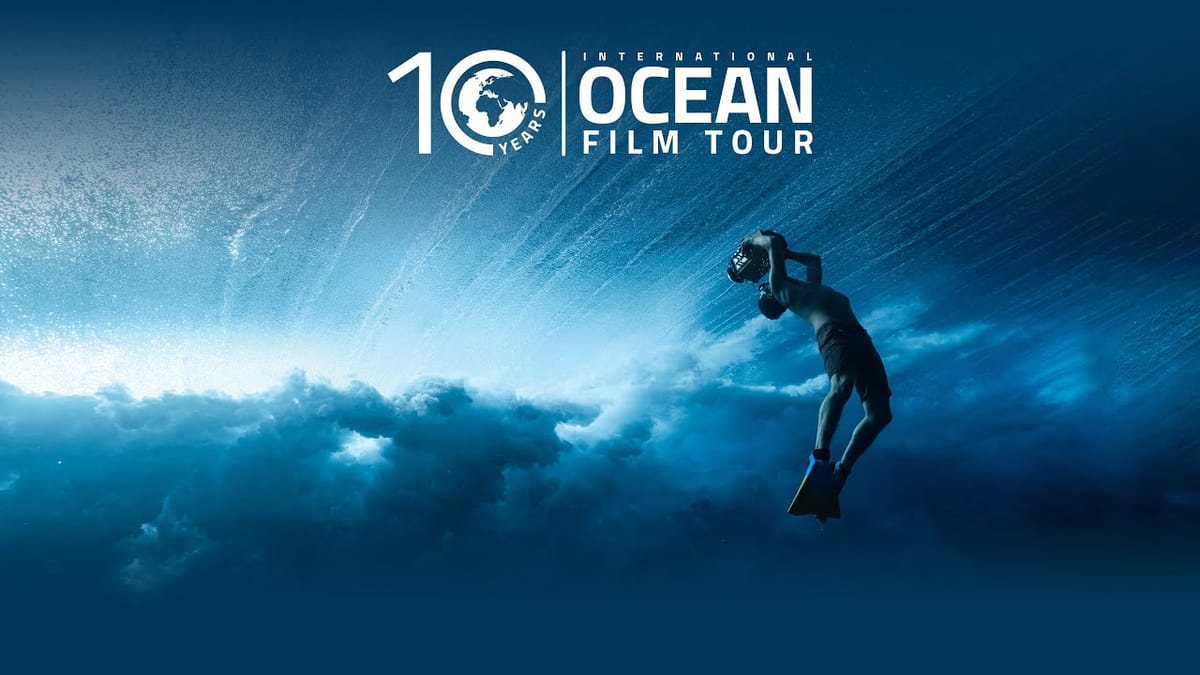
Don't skip regional and niche festivals that match your film's subject or origin. Camden International Film Festival, Sheffield DocFest and the Ocean Film Tour are strong platforms for documentaries with specific themes. They may draw smaller crowds, but they often give your film more focused attention and better networking.
Use FilmFreeway to search for festivals by genre, region and deadline.
Balance Prestige with Accessibility
It's tempting to hold out for the perfect festival, but getting in front of audiences sooner can matter more. Submit to top-tier festivals first, and if they pass, move quickly to mid-tier or regional festivals where your chances are higher.
Keep a spreadsheet of every submission with the festival name, deadline, fee and status, so you stay organised and avoid duplicate submissions.

2. Craft a Compelling Submission Package
Once you've picked your festivals, build a submission package that grabs programmers' attention.
Polish Your Film First
Your film needs to be the best it can be before you submit. Get feedback from people who aren't emotionally attached to the project, run a test screening, and fix your sound mix, colour grade and pacing. You only get one first impression with each festival.
If you're still learning the craft, my guide on how to make a documentary covers the full process from start to finish.

Write a Strong Synopsis
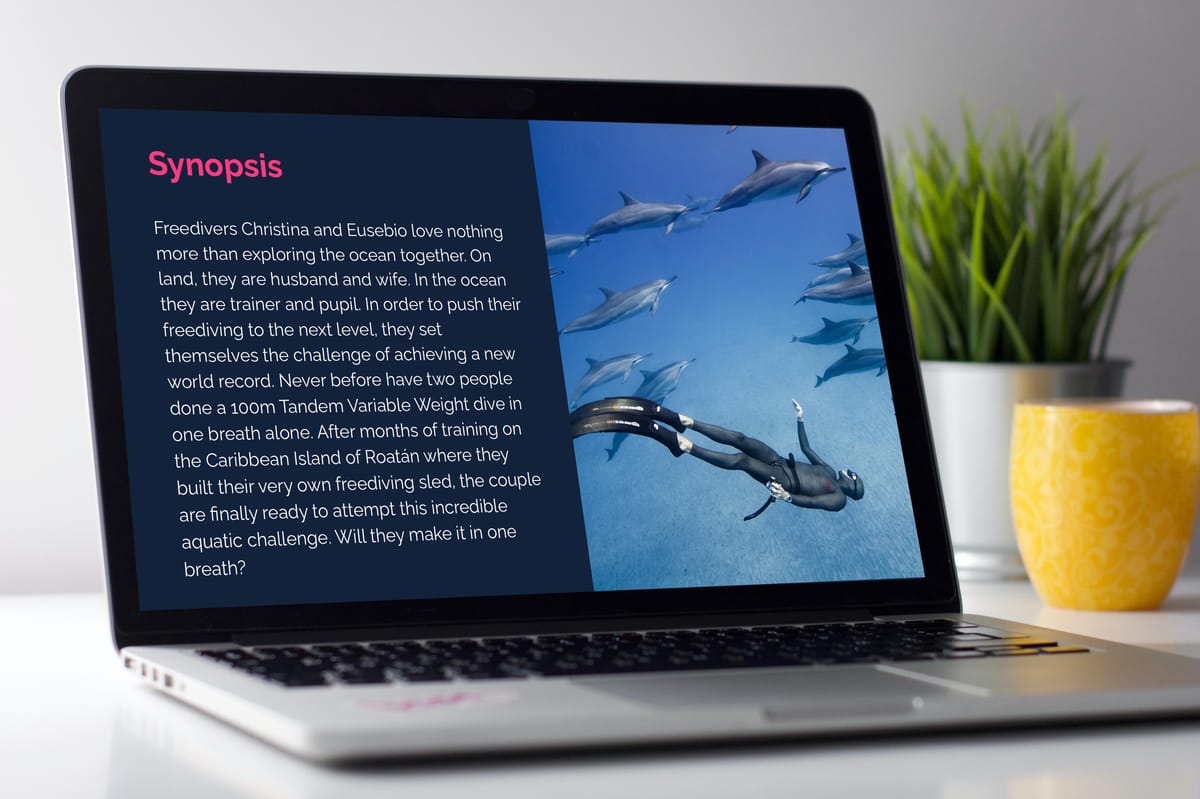
Your synopsis is often the first thing a programmer reads, so make it concise, engaging and specific to your film. Highlight the key themes, emotional arcs and what makes your documentary different. A long, repetitive synopsis won't stand out when a programmer is reviewing hundreds of submissions.
Create a Professional Trailer and Poster
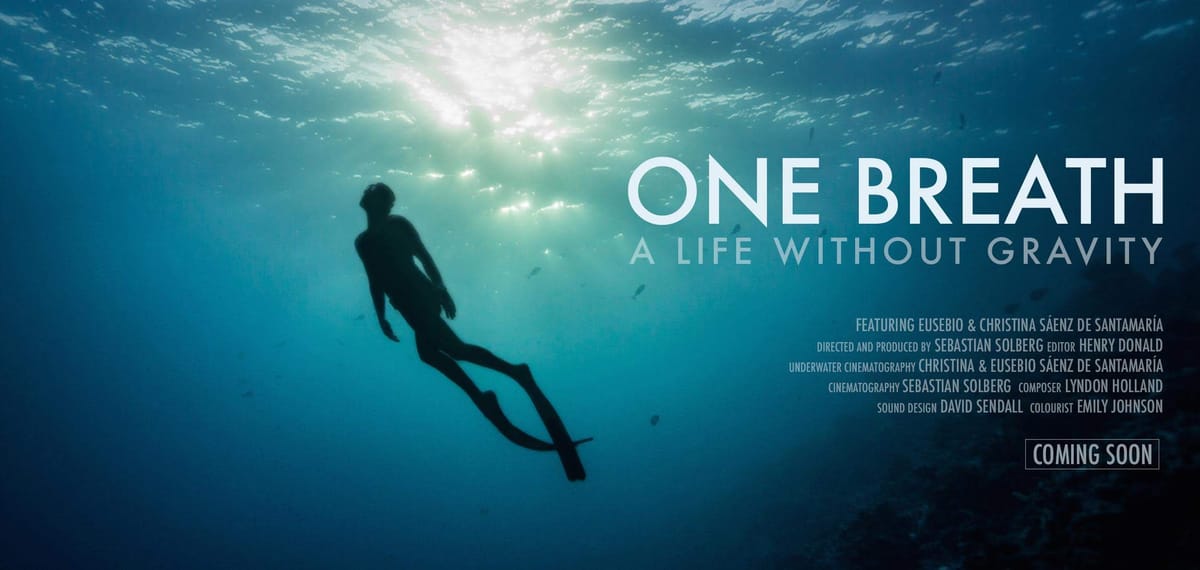
Most festivals ask for a trailer and poster, and use them to promote your screening on social media and their website. Get your trailer professionally edited and your poster designed by someone who knows what they're doing. A Canva template won't cut it at this level.
Related guide: how to create a documentary trailer
Personalise Your Filmmaker Statement
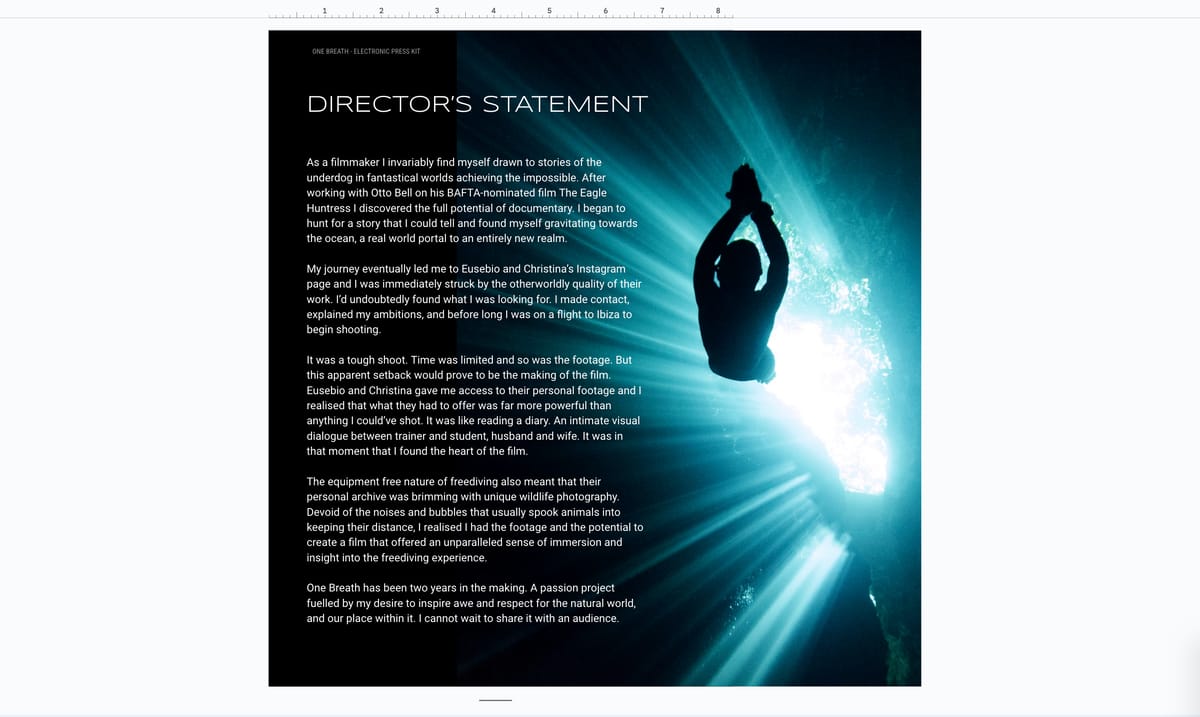
Most festivals let you include a filmmaker statement. Use it to connect with the festival: mention any ties to its location, its mission or past programming, and show that your film fits their lineup.
Keep it to one or two paragraphs. Explain why this story needed to be told and why it looks the way it does.
Set Up Your FilmFreeway Page Properly
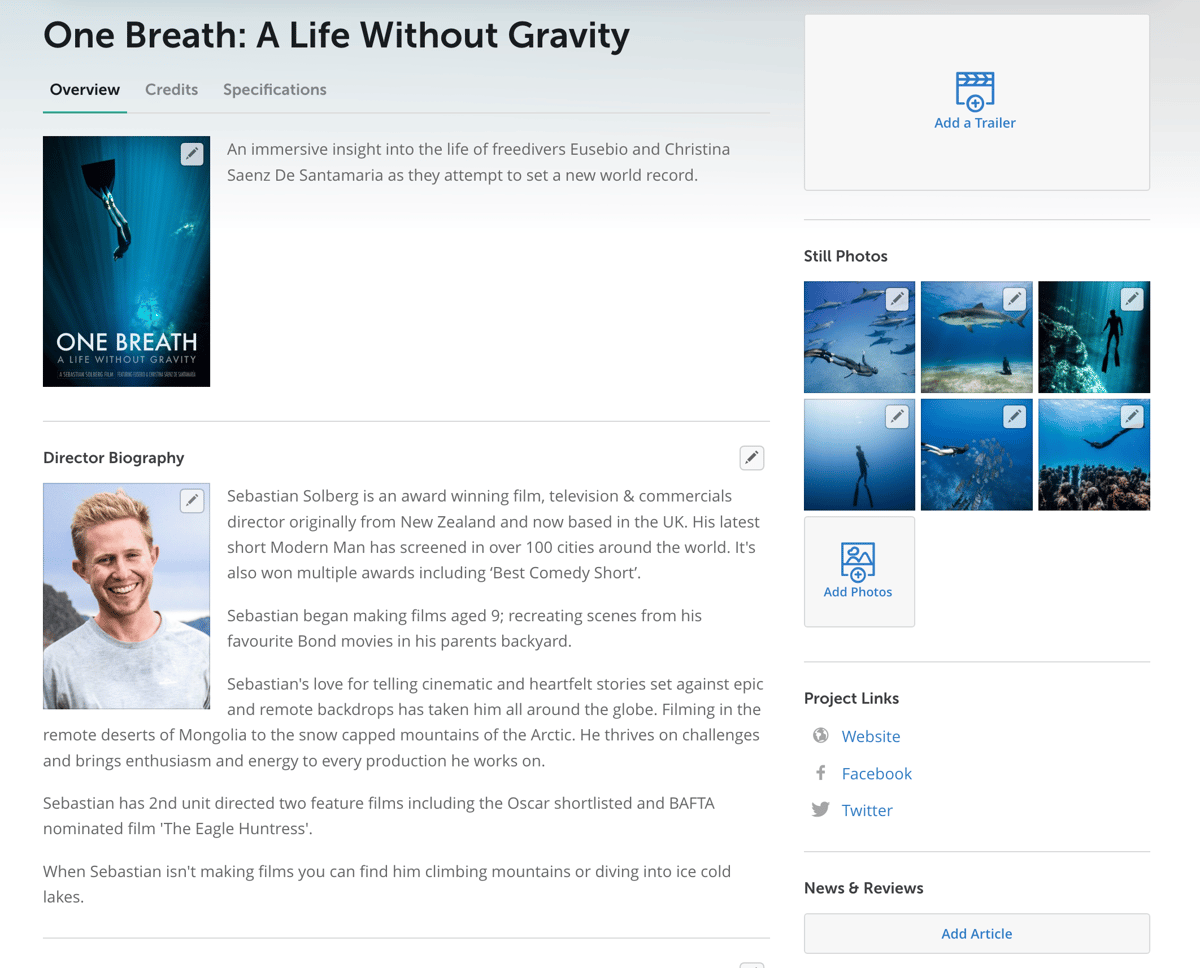
Most festivals accept submissions through FilmFreeway, so make your project page complete and professional. Upload high-resolution stills, not behind-the-scenes photos, write a clear director's bio and include all the required deliverables. Programmers sometimes browse your page before watching your film.
3. Use Networking to Your Advantage
Festivals are about connections as much as screenings. Relationships with programmers and other filmmakers can make a real difference in getting your documentary noticed.

Attend Festivals Before Submitting
If you can, attend the festivals you're interested in before you submit. You'll get a feel for the films they programme and the overall vibe, and you can meet programmers and industry professionals before your submission arrives.

Reach Out to Programmers
If you get the chance to meet or email a programmer, take it. A short, polite email introducing yourself and your film, mentioning where you met and that you've submitted, won't guarantee acceptance, but it can help your submission get a closer look.
Take Part in Industry Events
Go to industry events, panels and workshops too. The relationships you build there can open doors when you submit. For what comes after the festival circuit, read my guide on how to get your documentary distributed.

4. Be Strategic About Timing
Timing matters more than most filmmakers realise.
Don't Rush the Submission
It's natural to want your film out in the world, but rushing is a costly mistake. Make sure the film is fully polished and every part of your package (synopsis, filmmaker statement, press kit, trailer, poster) is ready before you hit submit.

Plan Around Festival Deadlines and Fees
Most festivals have early, regular and late deadlines. Early deadlines usually cost half what late ones do, so planning ahead lets you submit to twice as many festivals for the same budget. Late submissions don't improve your odds, they just cost more.
Set your FilmFreeway account currency to your local currency to avoid bank conversion fees on every submission.
5. Prepare for Rejection and Learn from It
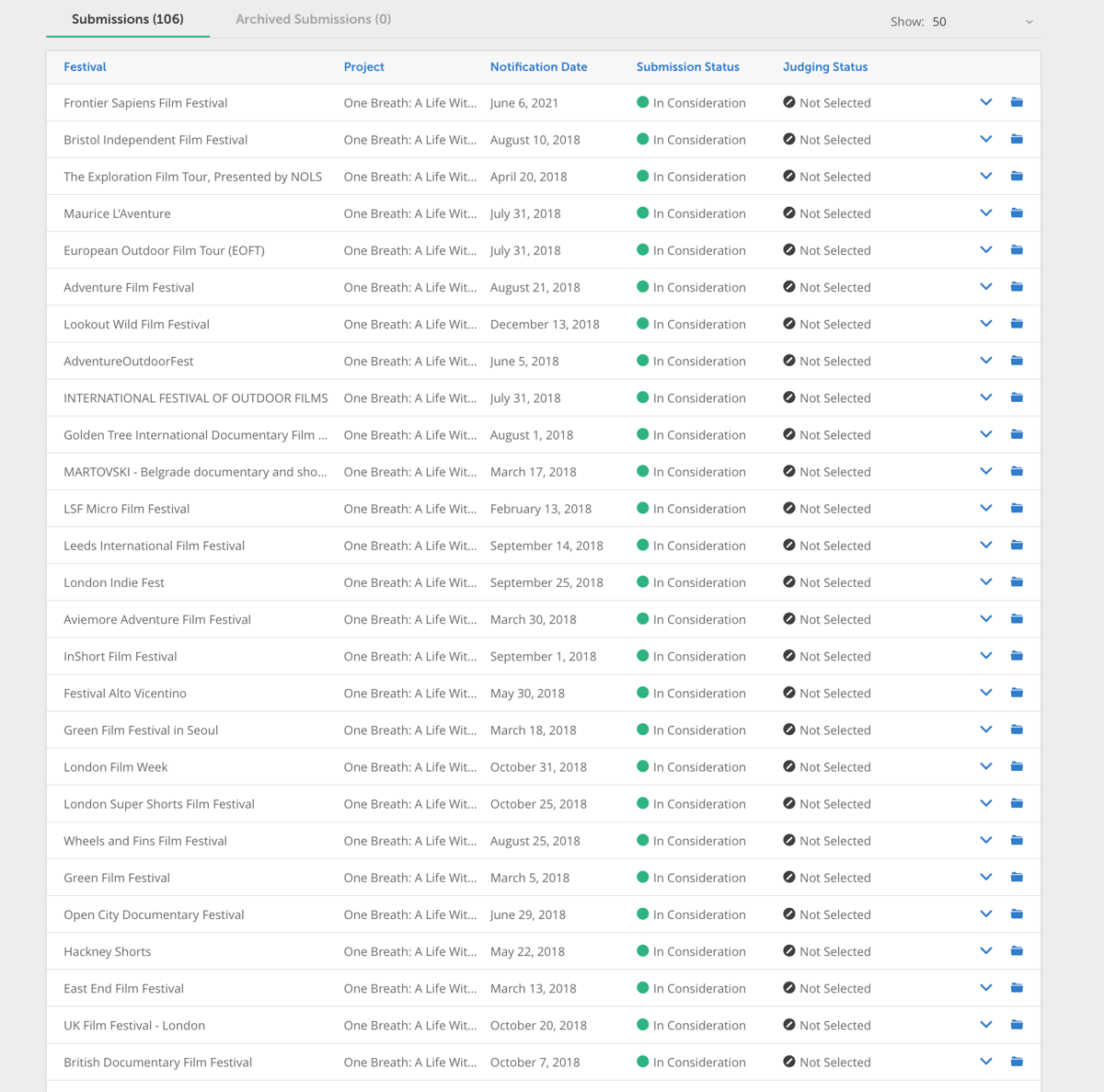
Not every festival will accept your film. Rejection is a normal part of the process, even for experienced filmmakers.
Analyse Feedback
Most festivals don't explain why your film wasn't selected, so if one does, take it seriously. It can tell you a lot about how to improve your film or your submission for the next round.

Keep Submitting
Many successful documentaries faced dozens of rejections before finding a home at a festival. Use each one as motivation to keep improving and keep submitting.
If the process feels overwhelming, my guide to overcoming common documentary filmmaking challenges may help.
Why Getting Into Film Festivals Is Hard (and What You Can Do About It)
Getting in is tough, especially for first-time filmmakers. The biggest festivals receive thousands of entries and select only a small fraction, looking for original perspectives, strong storytelling and solid production quality.
But a well-made film with a clear vision and a thoughtful submission strategy can still break through. Persistence and research are what separate the filmmakers who eventually get in from those who give up too early.
Plan early, submit smart and keep going: your audience is out there.
Frequently Asked Questions
How do I get accepted to film festivals?
Make the best film you can and get objective feedback before submitting. Research festivals that match your film's genre and theme on platforms like FilmFreeway, target a mix of top-tier and regional festivals, and submit early to save on fees. Include a polished synopsis, trailer, poster and filmmaker statement.
What is the hardest film festival to get into?
Sundance, Cannes, Venice and Berlin are widely considered the hardest. Sundance alone receives over 17,000 submissions each year and selects around 200 films. For documentaries, IDFA (International Documentary Film Festival Amsterdam) and Hot Docs are among the most competitive.
How much does it cost to submit to film festivals?
Submission fees typically range from $25 to $100 per festival. Early-bird deadlines are usually cheapest, and late deadlines can cost double, so submitting early stretches your budget across more festivals.
Should I use FilmFreeway or Withoutabox to submit?
FilmFreeway. Withoutabox shut down in 2019, and nearly all festivals now accept submissions through FilmFreeway. Some also take direct submissions through their own websites.
Can I submit my documentary to multiple festivals at once?
Yes, but check each festival's premiere requirements first. Some top-tier festivals require a world or regional premiere, and a world premiere means your film can't have screened publicly anywhere before. Plan your submission order carefully.